27 April 2026

Share


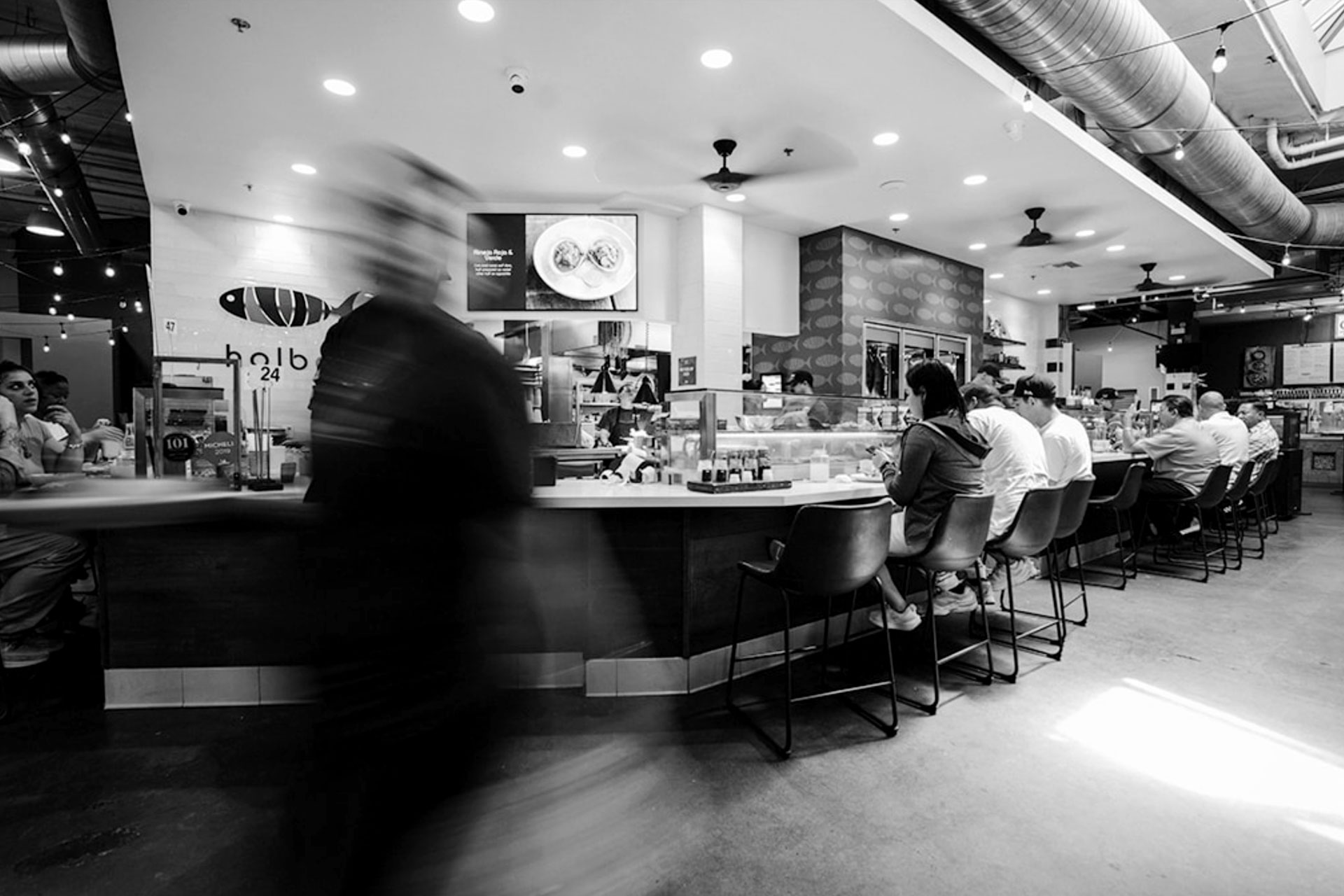
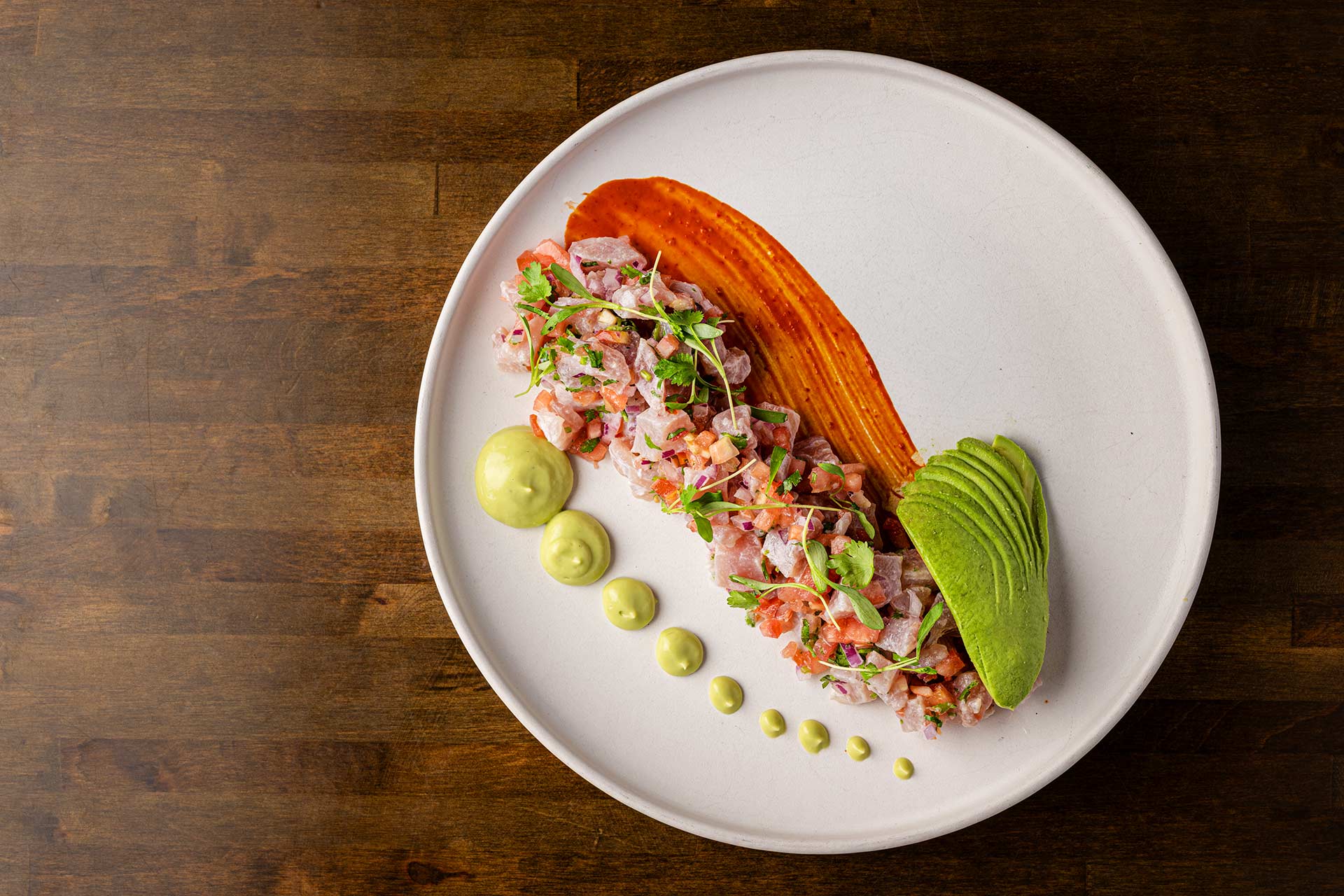
Not all MICHELIN-Starred restaurants are where, or what, one might expect. Take Holbox (pronounced “hole-bosh”), a casual counter in a south Los Angeles food market called Mercado La Paloma. Don’t let the setting fool you, though: this is cooking as thoughtful and refined as at any fine-dining restaurant in town.
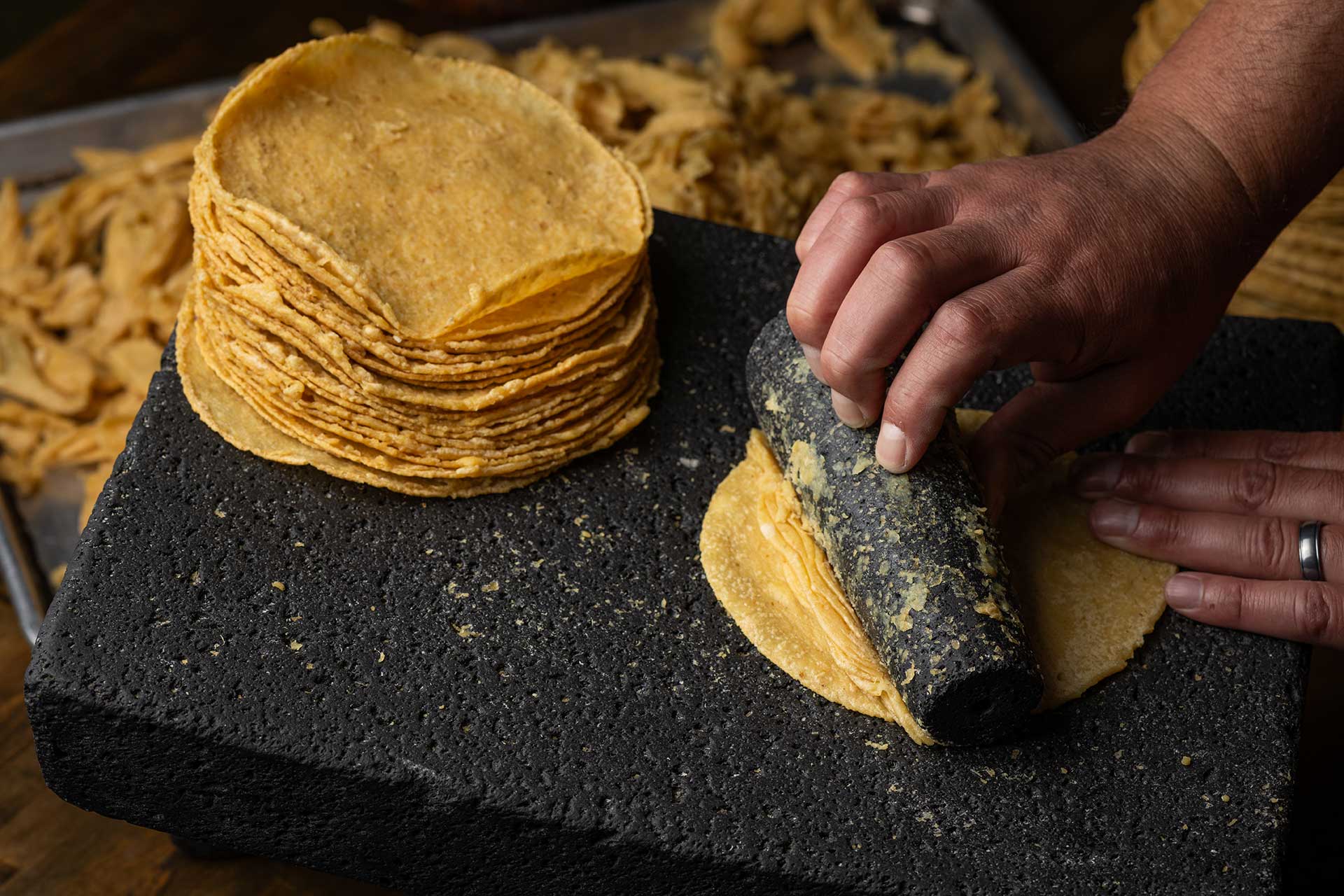
Chef/owner Gilberto Cetina started his career in computer science and did everything he could to avoid becoming a cook. “It took me a couple of years to start dabbling in the kitchen, probably because of some childhood trauma of having to help my parents cook tamales to sell on the weekends at church,” he says.
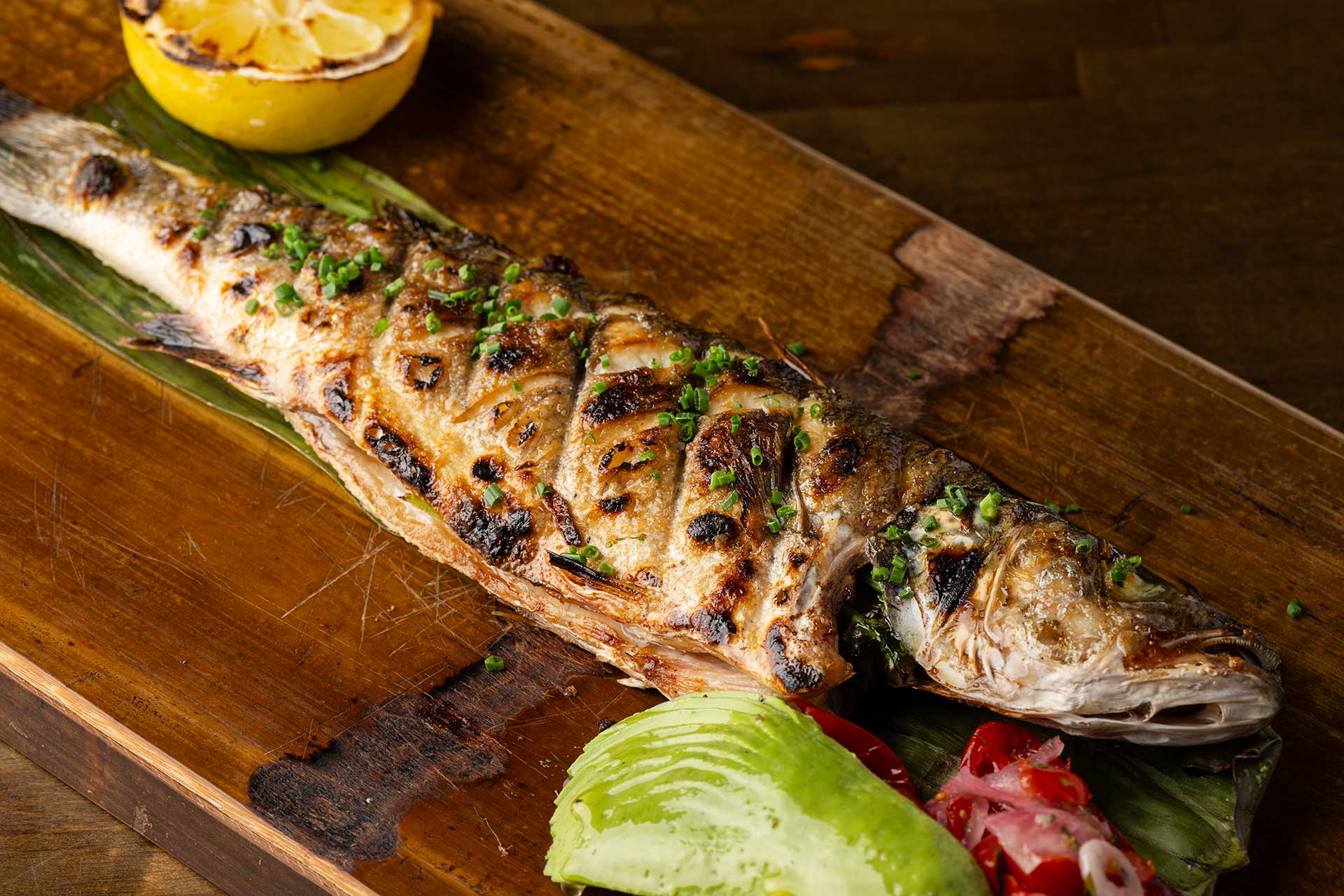
Eventually, he set out to combine that foundation with another interest: seafood. “Growing up in Yucatán as a teenager, one of the things I loved to do the most was to dive and go spearfishing, and then cook what we had caught,” he says. “It was the first time I felt connected to the food I was eating and it left a deep impression on me.”
After living in the Yucatán from age 13 to 20, Cetina moved back to L.A. and started pitching in at his father's stall in the L.A. Mercado, Chichén Itza. Here he began immersing himself in the cooking and flavors of the Yucatán.
Holbox Los Angeles: Chef Gilberto Cetina’s Vision for Sustainable Mexican Seafood & Modern Mariscos
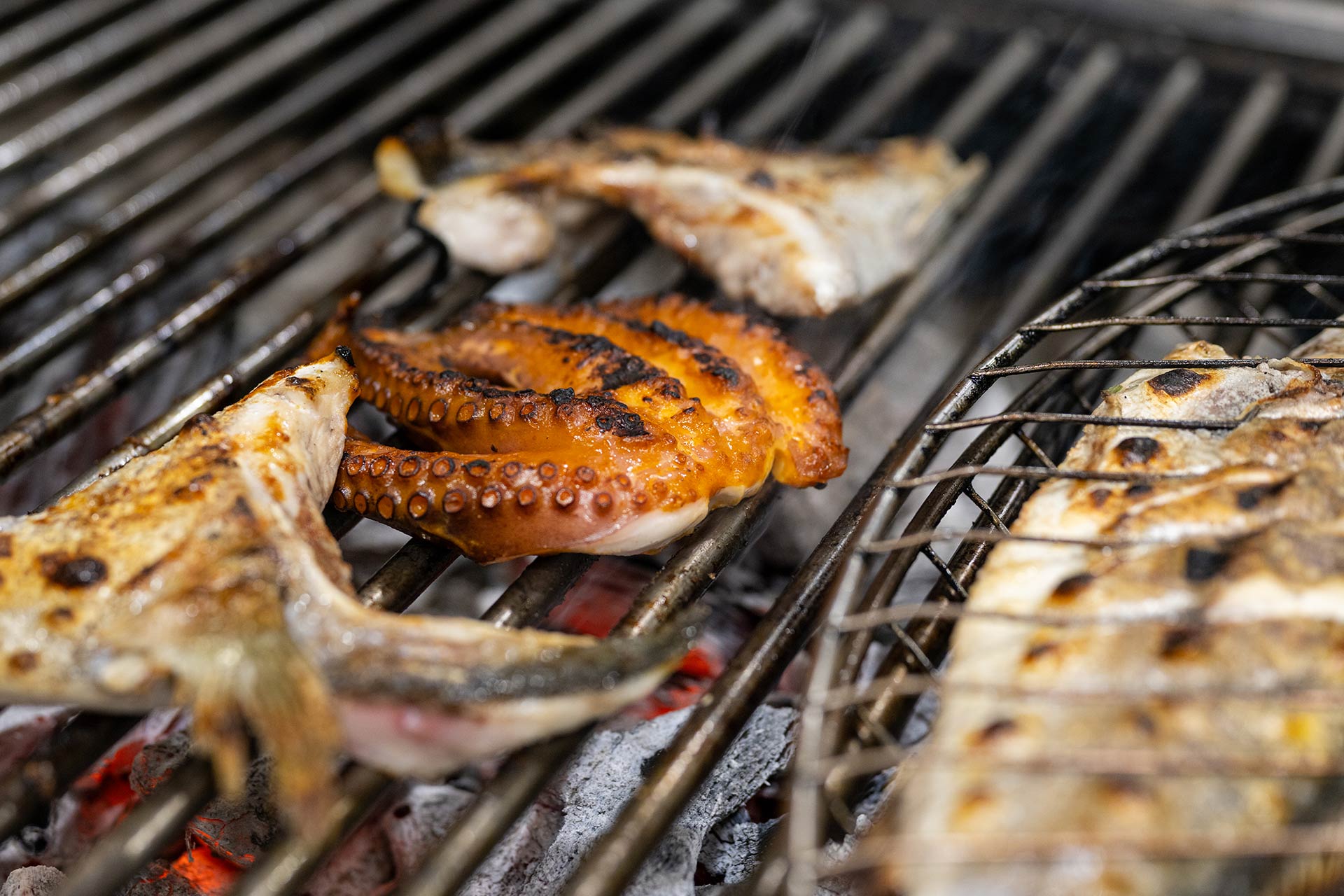
Originally envisioned as a small ceviche bar that was to be an extension of Chichén Itza, Holbox (named after an island between the Caribbean and Gulf of Mexico) evolved quickly, even before opening. “It was supposed to be almost a hobby, but the day before we opened, I decided out of the blue that I wanted a grill,” says Cetina. “So I got myself a grill and added tacos and grilled entrees to the menu, and that's how Holbox started.”
Southern California offered the same quality seafood Cetina had known in Mexico, but he saw it used primarily in Japanese restaurants. “I would just randomly walk into sushi restaurants and be like, ‘dear God, the product is here,’” he says. “I asked, why is nobody using this seafood in Mexican restaurants?”
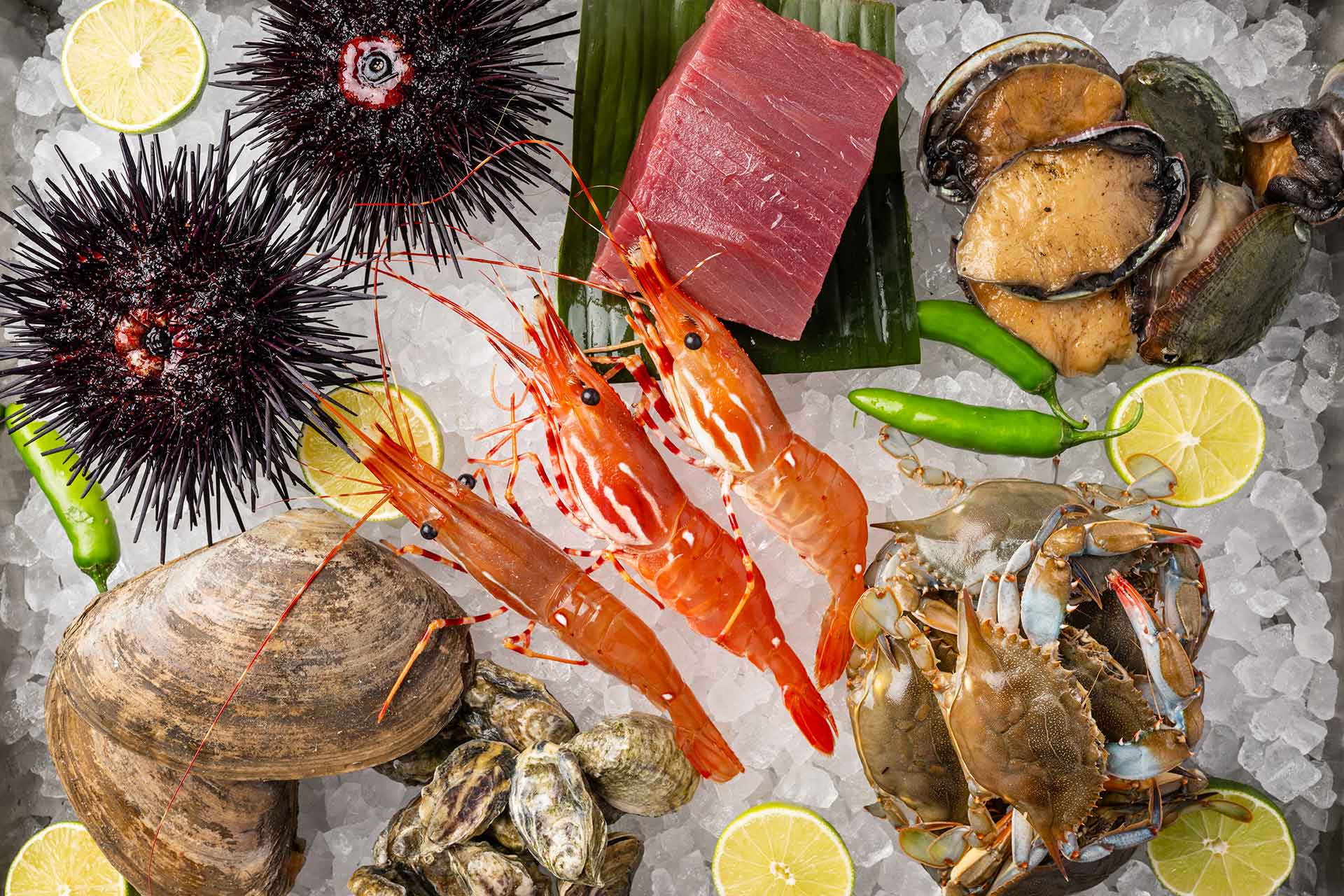
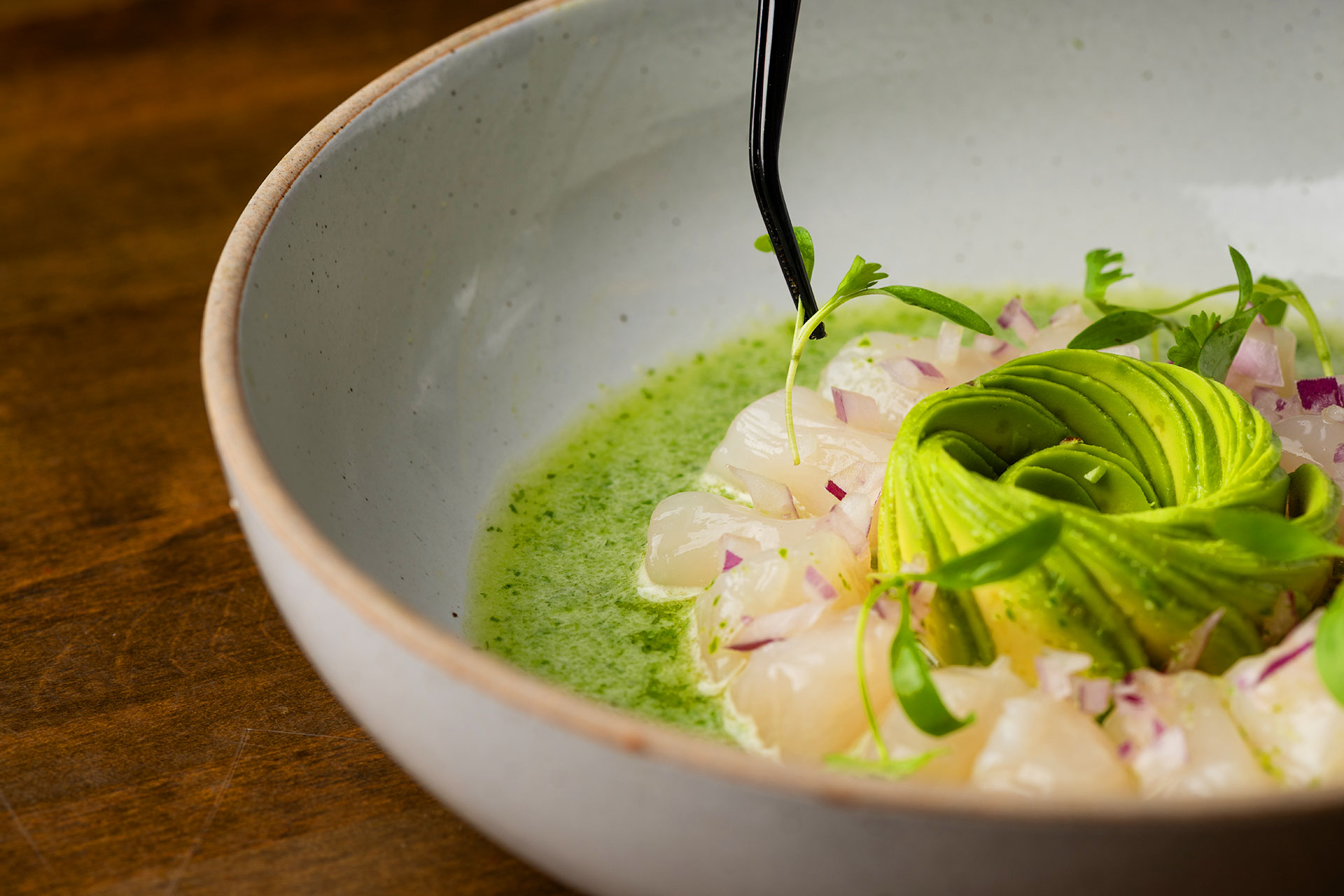
Cetina set out to create his own version of mariscos (the Spanish word for seafood or shellfish) using local ingredients that are sustainably sourced seafood from Southern California. The result is an Angeleno expression of mariscos, as if Los Angeles were a region of Mexico.
Exploring Yucatán Flavors: Recados, Sofritos and Signature Dishes at Holbox
The flavors reflect the various coastal regions of Mexico, but particularly the Yucatán. High acidity is common, seen in ingredients like limes and tomato, and there are plenty of habanero peppers, onions and cilantro used throughout the cuisine. But what distinguishes the cooking at Holbox most are sofritos and recados, core elements of Yucatán cuisine. “Recados are spice mixes that are finely ground up, mixed with vinegar, water and salt to preserve them, and then diluted into sauces and marinades, creating the foundation of flavor,” explains Cetina. “Sofritos are aromatic vegetables cooked down to a thick consistency, then sometimes pureed and sometimes used to make chunky sauces.”
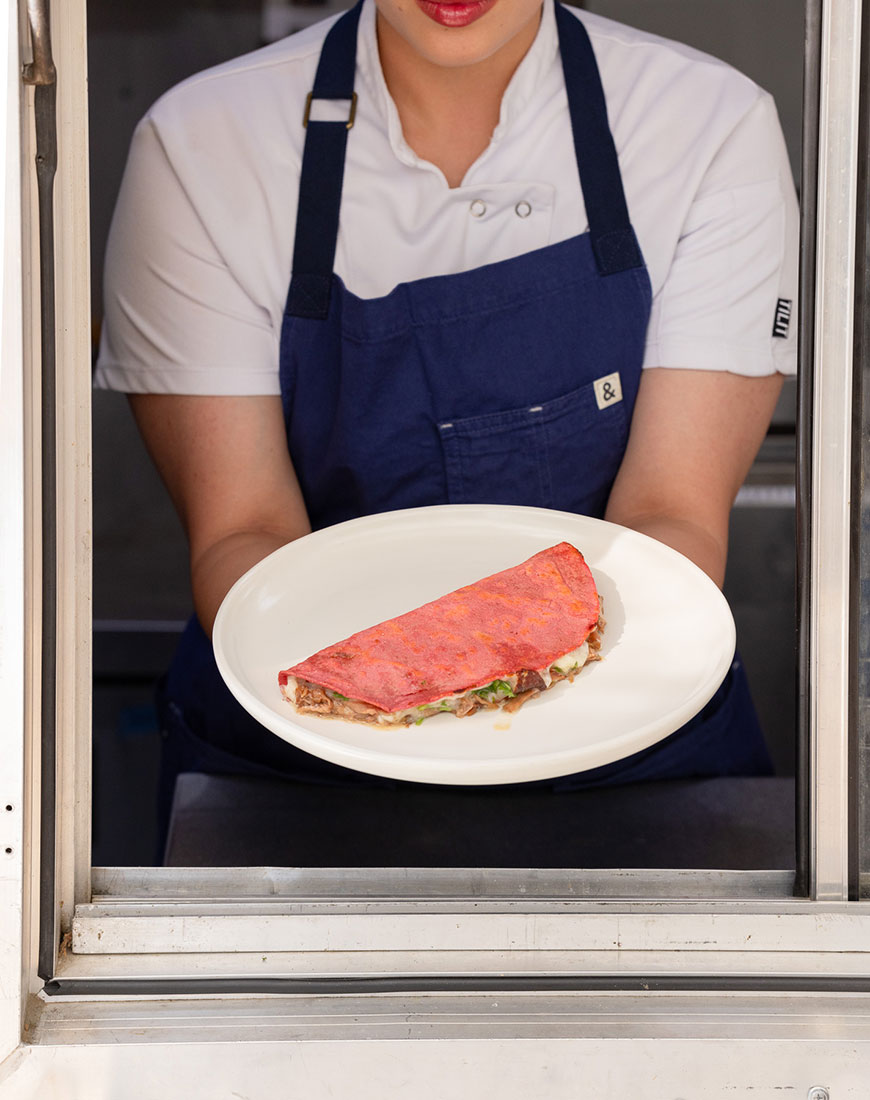
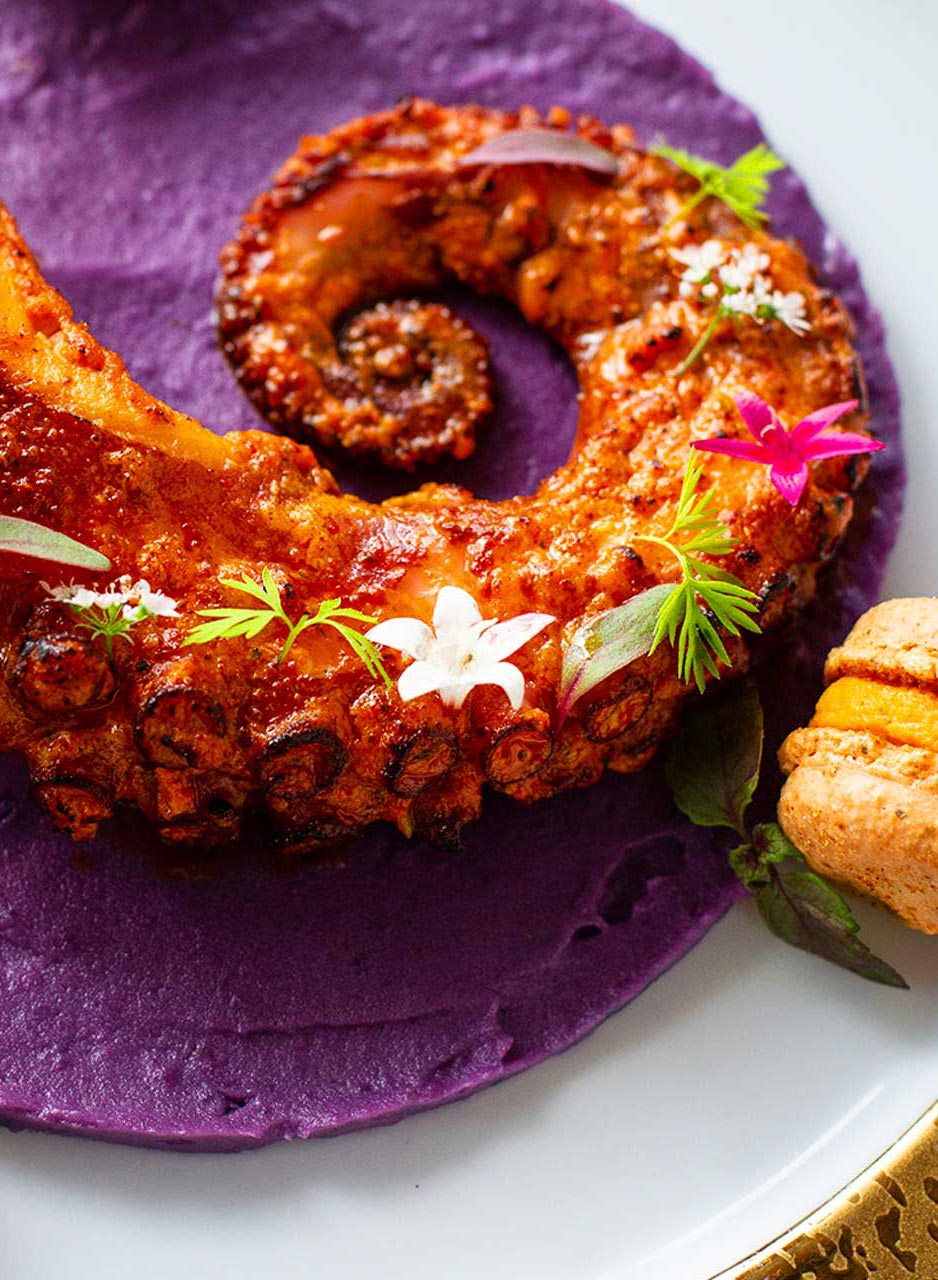
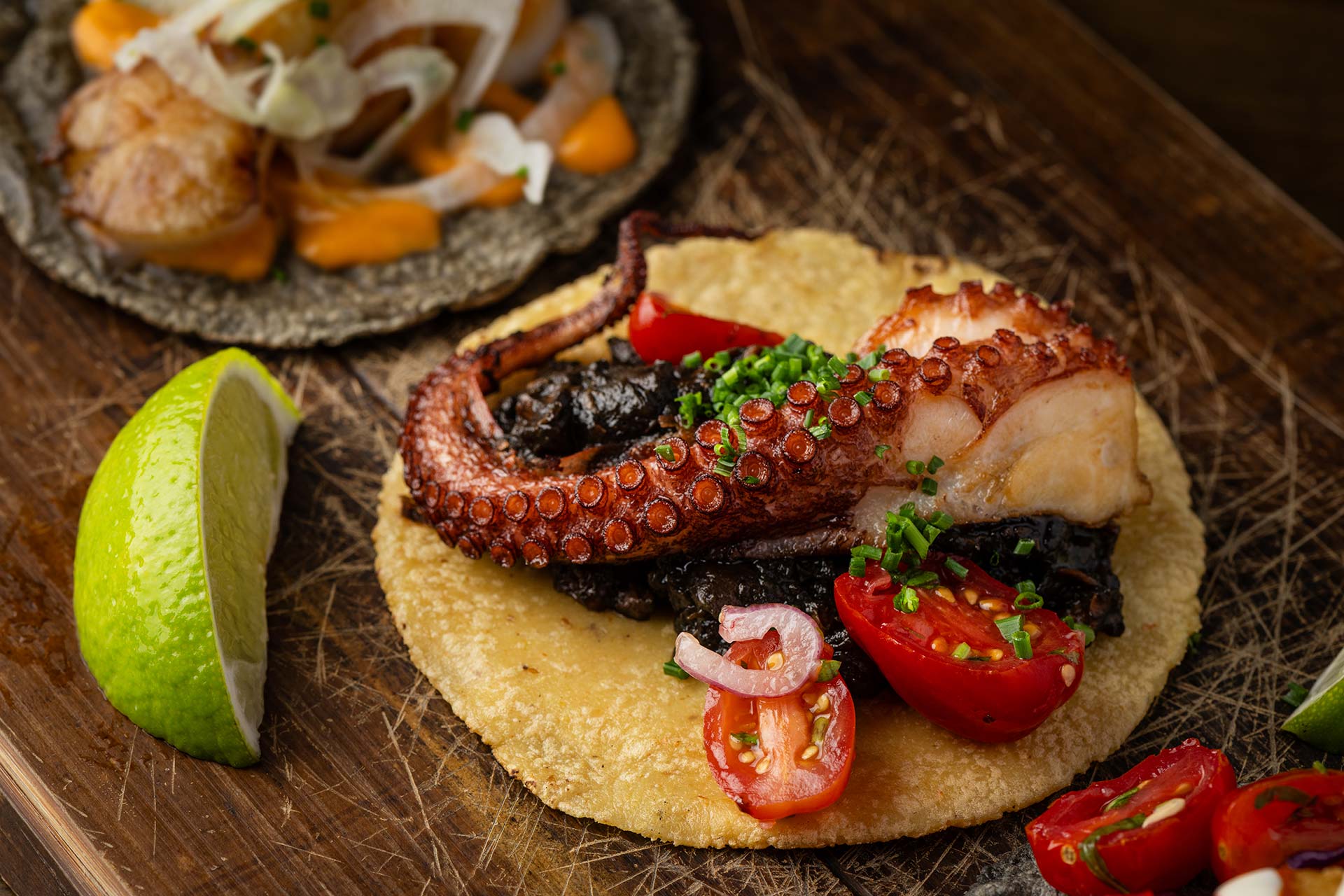
A pureed sofrito forms the base of a signature dish at Holbox: taco de pulpo en su pinta (octopus in its own ink) that has been braised and fried. It’s a dish he learned from his father and is one of the most popular on the menu.
Diners can order à la carte or opt for a tasting menu offered two nights a week, where Cetina and his team have fun working with ingredients and preparations not otherwise on offer, such as geoduck clams and abalone.
Holbox’s Unique Food Hall Dining Experience: Michelin-Star Quality Without the Formality
The setting, however, still surprises some guests. The counter-service format in a food hall appeals to diners seeking an authentic, informal experience, though expectations vary.
“We are not a traditional Michelin Star restaurant, where you leave your car at the valet and a host takes you to your table,” explains Cetina. “You self-park if you can find a spot, walk into a bustling food hall and wait your turn to get your food run to your table where it has a little number on it so we can find you.”
“I think it’s an adventure. It’s something different,” he says. “None of the best Mexican food I’ve had in my life has been on a white tablecloth.”
MICHELIN Star-Worthy Mexican Cuisine
Cetina wants Mexican food to be judged by the same standards as any other cuisine, but he thinks it’s important to understand that there is a stark contrast between, say, French and Mexican food. Both, he notes, are great for different reasons.
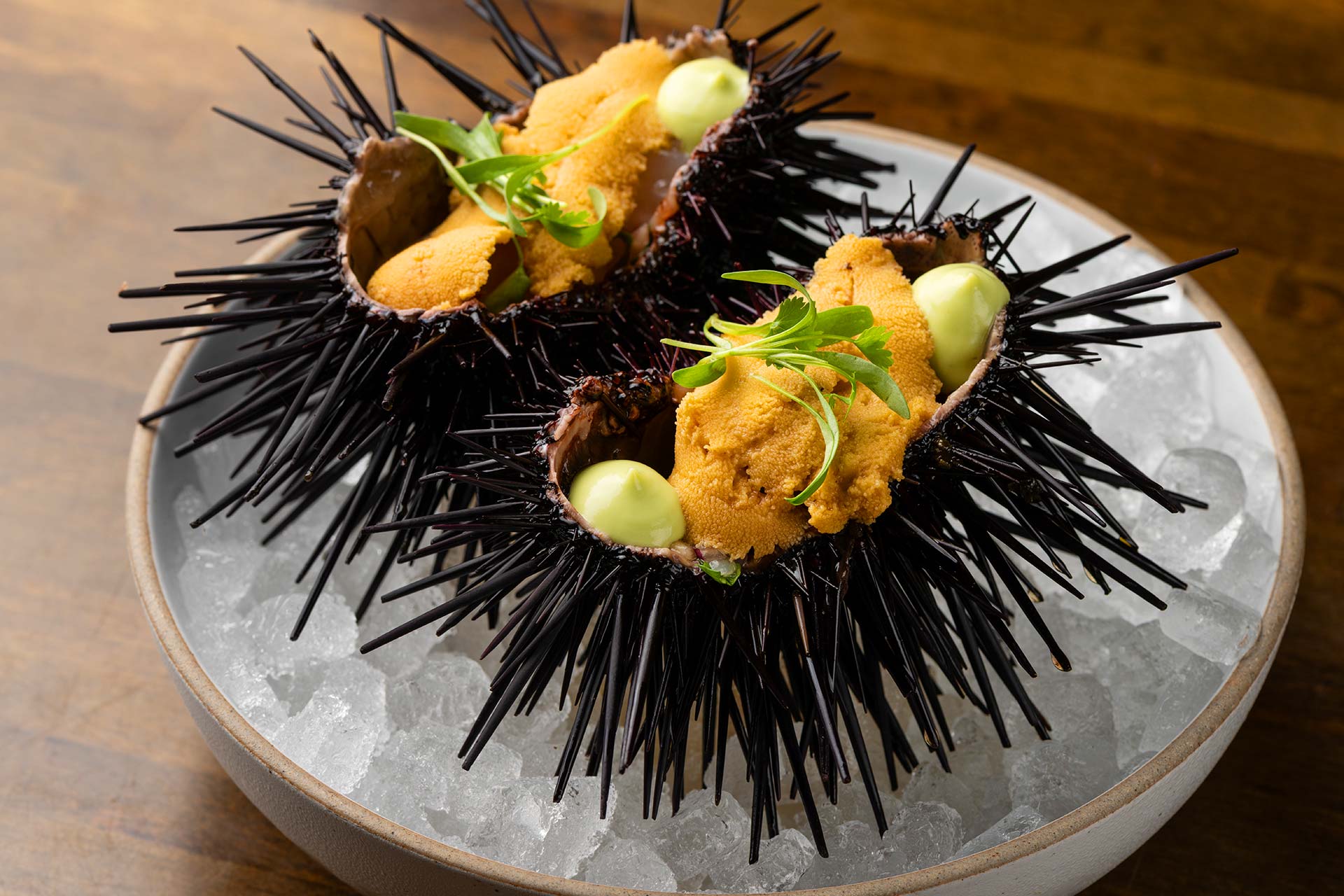
“Mexican food is also worthy of sea urchins and spot prawns and scallops and not as a gimmick — not as ‘look at us, we're using fancy ingredients,’” he says. “I want people to understand that this is the kind of experience they can have by going to different coastal regions of Mexico and eating what the locals eat.”
Hero Image: Trio of tacos - scallop taco, taco de pulpo and baja fish taco. © Wonho Frank Lee