14 March 2018

Share


The paradise islands of Okinawa in Japan are fabled for the longevity of its residents who live close to nature and enjoy its bounty. Blessed with fertile soil, subtropical climate and the longest daylight hours in Japan, sun-soaked Okinawa produces some of the richest, freshest ingredients from land and sea that form the building blocks of the healthy indigenous cuisine—the secret to the longevity of Okinawan people.
From now until 28 March, you can experience the produce of Okinawa across five restaurants in Singapore in the Okinawa Menu Fair 2018 organized by the Okinawa Prefecture of Japan and Gurunavi.
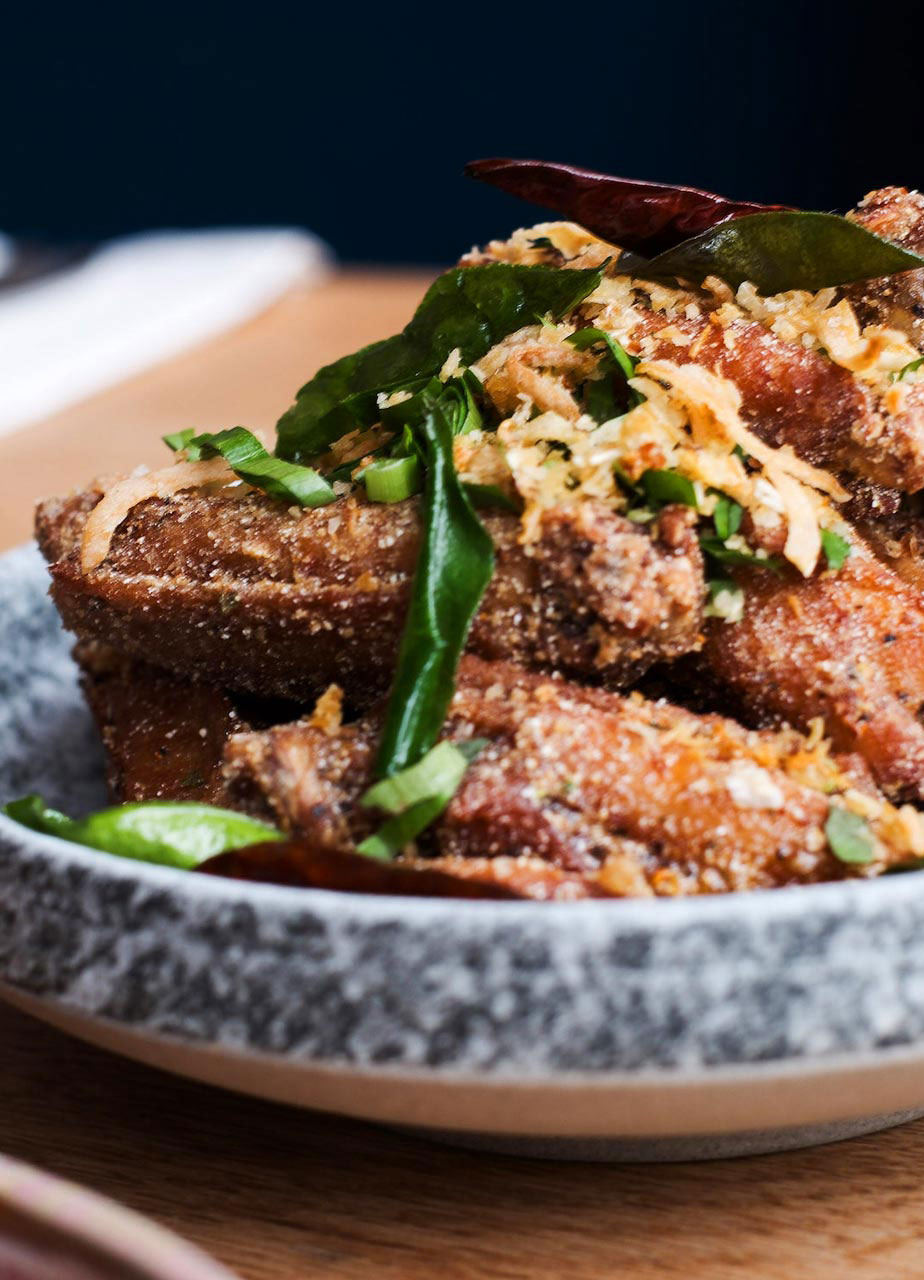
PIXY Bar & Cuisine, Ristorante LUKA, Kabuke, Kinsa Sushi and O-Ku Japanese Tapas Bar will each be creating special dishes using seasonal Okinawan produce such as Motobu Waygu beef, Shikuwasa citrus, Okinawan brown sugar, Aguu pork, fresh fish and vegetables.
From now until 28 March, you can experience the produce of Okinawa across five restaurants in Singapore in the Okinawa Menu Fair 2018 organized by the Okinawa Prefecture of Japan and Gurunavi.
PIXY Bar & Cuisine, Ristorante LUKA, Kabuke, Kinsa Sushi and O-Ku Japanese Tapas Bar will each be creating special dishes using seasonal Okinawan produce such as Motobu Waygu beef, Shikuwasa citrus, Okinawan brown sugar, Aguu pork, fresh fish and vegetables.

From the clear blue seas of Okinawa come a wide array of seaweed, nurtured in fields of coral that are rich in nutrition. The umami-rich seaweeds like Asa sea lettuce and Mozoku seaweed are rich in calcium and antioxidant properties.
You’ll be able to sample Mozoku seaweed in O-ku Japanese Tapas Bar’s Okinawan menu, which also features a special tofu from Okinawa. A bowl of Jimami tofu is simply garnished with soba sauce jelly and spring onions, letting its natural glutinous pudding-like texture and nutty fragrance shine.
You’ll be able to sample Mozoku seaweed in O-ku Japanese Tapas Bar’s Okinawan menu, which also features a special tofu from Okinawa. A bowl of Jimami tofu is simply garnished with soba sauce jelly and spring onions, letting its natural glutinous pudding-like texture and nutty fragrance shine.

Kinsa Sushi is showcasing Okinawa’s famed Motobu Wagyu in a rice bowl topped with skewers of tender beef, accompanied by a refreshing cooler made with Shikuwasa limes. You’ll find the Okinawan staple of Goya at Kabuke, where they’ve deep-fried the bittergourd into a moreish tempura filled with cream cheese and bacon, finished off with a Shikuwasa honey ponzu.

The seafood of Okinawa takes the spotlight in PIXY Bar & Cuisine’s special degustation menu which will feature the likes of Okinawan snapper, and Okinawa squid ink risotto. Jimami tofu makes an appearance on the menu as well, in a dessert with Okinawan brown sugar and Ishigaki salted vanilla ice cream.