Plate Stories: Hideaki Sato's egg custard with Aori ika squid
In Japanese cuisine, cutting is a form of seasoning.
Share
How much can one learn about a chef just from a single dish? In our Plate Stories series, we take you on a delicious journey into the minds of the world’s top chefs as they unfurl the stories behind each thoughtfully plated ingredient.
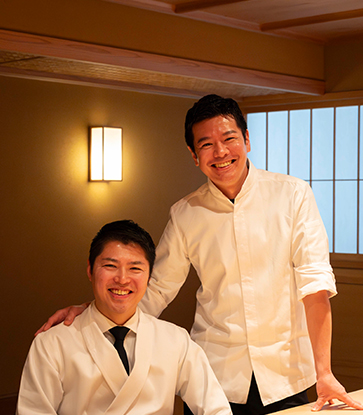
One of the most exciting chefs in Asia at the moment, Japanese chef Hideaki Sato is widely celebrated for his delicate and refined cooking style that seamlessly marries French culinary techniques with the kaiseki traditions and premium produce of his homeland.
He cultivated this elegant culinary style after years of working under the tutelage of Seiji Yamamoto at three-Michelin-starred Nihonryori Ryugin in Tokyo, and later, as the chef-patron at Tenku Ryugin in Hong Kong, Mr Yamamoto’s first satellite kitchen.
Under chef Sato’s leadership, Tenku Ryugin earned two Michelin stars in the Michelin Guide’s Hong Kong edition within the first six months of its opening in 2012. In 2015, chef Sato repeated this success when he left Tenku Ryugin to set up his own elegant fine dining restaurant, Ta Vie in Central Hong Kong, which similarly garnered its first Michelin star barely a few months after its launch.
We managed to catch up with the talented and humble chef while he was in town earlier last month to cook a 4-hands dinner with chef Ivan Brehm of Singapore's The Kitchen at Bacchanalia. Designing their menu around memories and recollections of past experiences, the two chefs presented an eight-course menu with brilliantly original creations. In this video, he gives us an insight into the philosophy behind his signature dish, a black egg custard with Aori ika squid.
Written by
Debbie Yong
Debbie Yong was part of the editorial team behind the Michelin Guide Singapore website. Now a freelance food writer and digital content strategist, she is as happy tucking into a plate of char kway teow as a platter of charcuterie.
Follow us from the moment Maurizio Cavallaro of Red Earth Farm pulls the beetroot from the ground, to when Chef Nikolai Abela, of Grotto Tavern in Rabat, transforms the vegetable into a creative sensation.
After training together at RyuGin, chefs Ryusuke Ito of Ensui and Shingo Sakamoto of Hakuun reflect on their parallel journey from One to Two MICHELIN Stars.
Coming from MICHELIN-Starred restaurants across Italy and in London, Davide Franco brings two decades of experience to the Three Star standout in San Francisco.
From Thai and Vietnamese to Indian and Japanese influences, these Vancouver restaurants bring the bold flavors and lively spirit of street food indoors — serving shareable, no-fuss dishes with elevated flair.
The latest selection includes Hoshino, newly awarded One MICHELIN Star, along with seven new MICHELIN Selected restaurants across Italian, contemporary, sushi, French and yakitori cuisine.
From late-night tacos in Playa del Carmen to grilled seafood in Cancún and Tulum, these MICHELIN Guide picks reward travelers who venture away from the all-inclusive.
The inaugural restaurant selection of the MICHELIN Guide South Australia 2027 will be revealed in October 2026 and will span the region reflecting the richness and diversity of its culinary landscape.
Araki-cho still carries the memory of a geisha district in its cobblestone lanes and narrow streets. A guide to dining, drinking, and wandering — an evening in this neighborhood, unlike any other.
Discover the best MICHELIN-Starred Indian restaurants in the United States, from modern fine dining destinations to regional specialists redefining Indian cuisine across America.
In Oaxaca, Chef Jorge León and his mother, Elvia, transform humble, heirloom ingredients and family traditions into a celebrated dining experience — blending Indigenous Mixtec heritage with refined technique at their Bib Gourmand restaurant, Alfonsina.
Once overlooked after its agricultural decline, the Gard is now one of southern France’s most compelling new food regions, drawing ambitious chefs to its produce-rich landscapes and enduring local food culture.

 25 June 2016


 One of the most exciting chefs in Asia at the moment, Japanese chef Hideaki Sato is widely celebrated for his delicate and refined cooking style that seamlessly marries French culinary techniques with the kaiseki traditions and premium produce of his homeland.