26 March 2026
Share


Long before ovens even existed, humans were pressing dough until it got flat and cooking it over an open flame. Flatbreads may be one of the oldest prepared foods of all time, and they remain among the most universally loved and enjoyed, appearing in nearly every food culture from South Asia to the Caribbean. What unites them across these regions is simple: flour, water and heat. Everything else – the grain, the fat, the leavening (or lack thereof), the surface it’s cooked on – diverges in ways that produce different results.
At MICHELIN Guide restaurants across the U.S., chefs honor these traditions with precision, care and flavor. Here’s where you can find some of the most memorable flatbreads.
Casabe
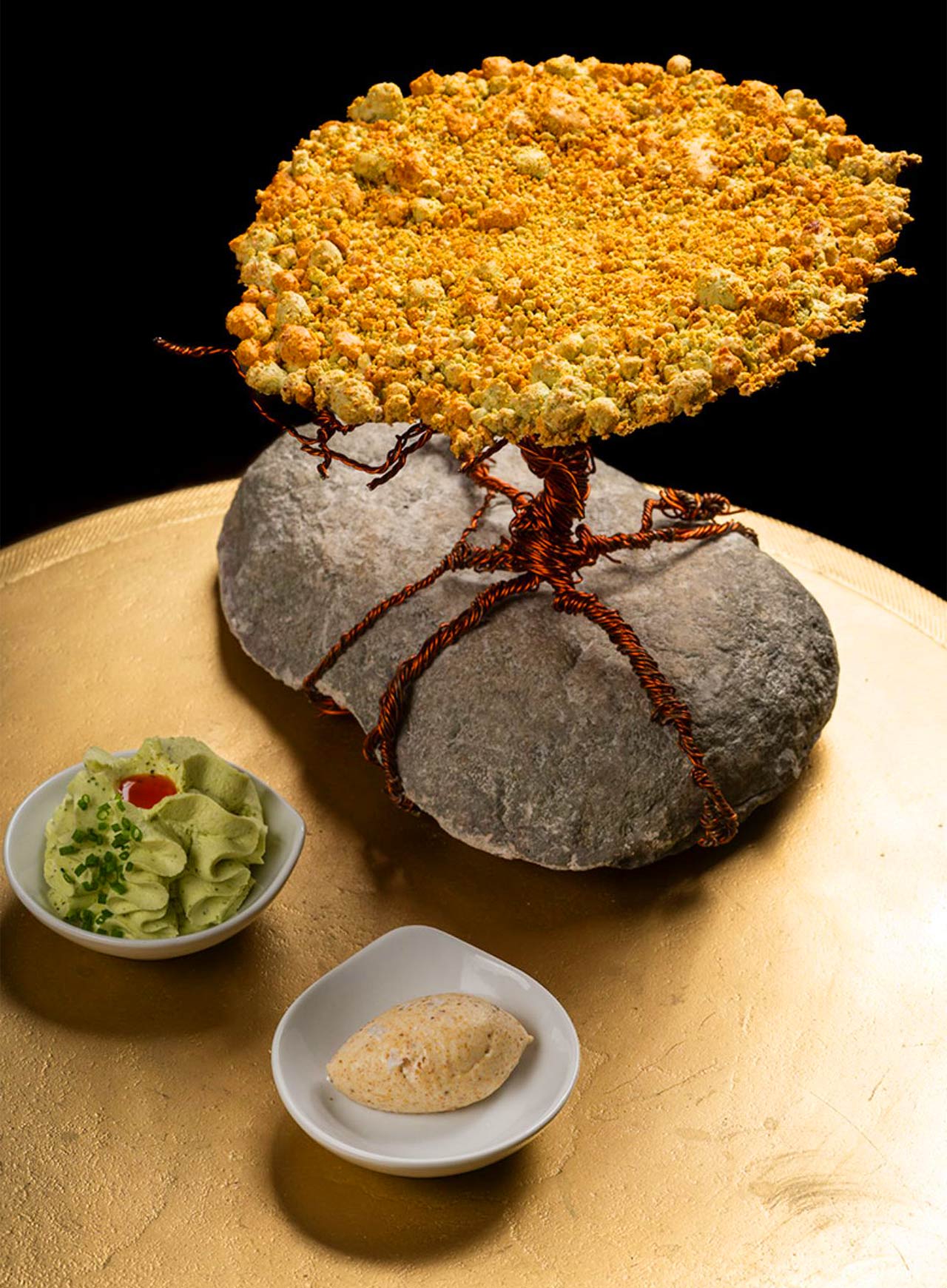
Long before wheat flour arrived in the Americas, Indigenous Caribbean and South American peoples were making casabe from yuca (cassava) by grating the starchy root, pressing out its liquid, and cooking it flat on a griddle called a budare. The result is a brittle, cracker-like disc with a slightly earthy flavor and a satisfying snap that makes it ideal for scooping, layering and topping. It's one of the oldest prepared foods in the Western Hemisphere, and for generations it was largely absent from fine dining menus.At Elcielo Miami, Chef Juan Manuel Barrientos built an ambitious Colombian tasting menu that weaves indigenous ingredients and techniques into a creative framework. Casabe fits naturally into his vision — a bread that predates colonization, rooted in the culinary knowledge of the Taíno and other Indigenous peoples of the Caribbean and South America.
Focaccia
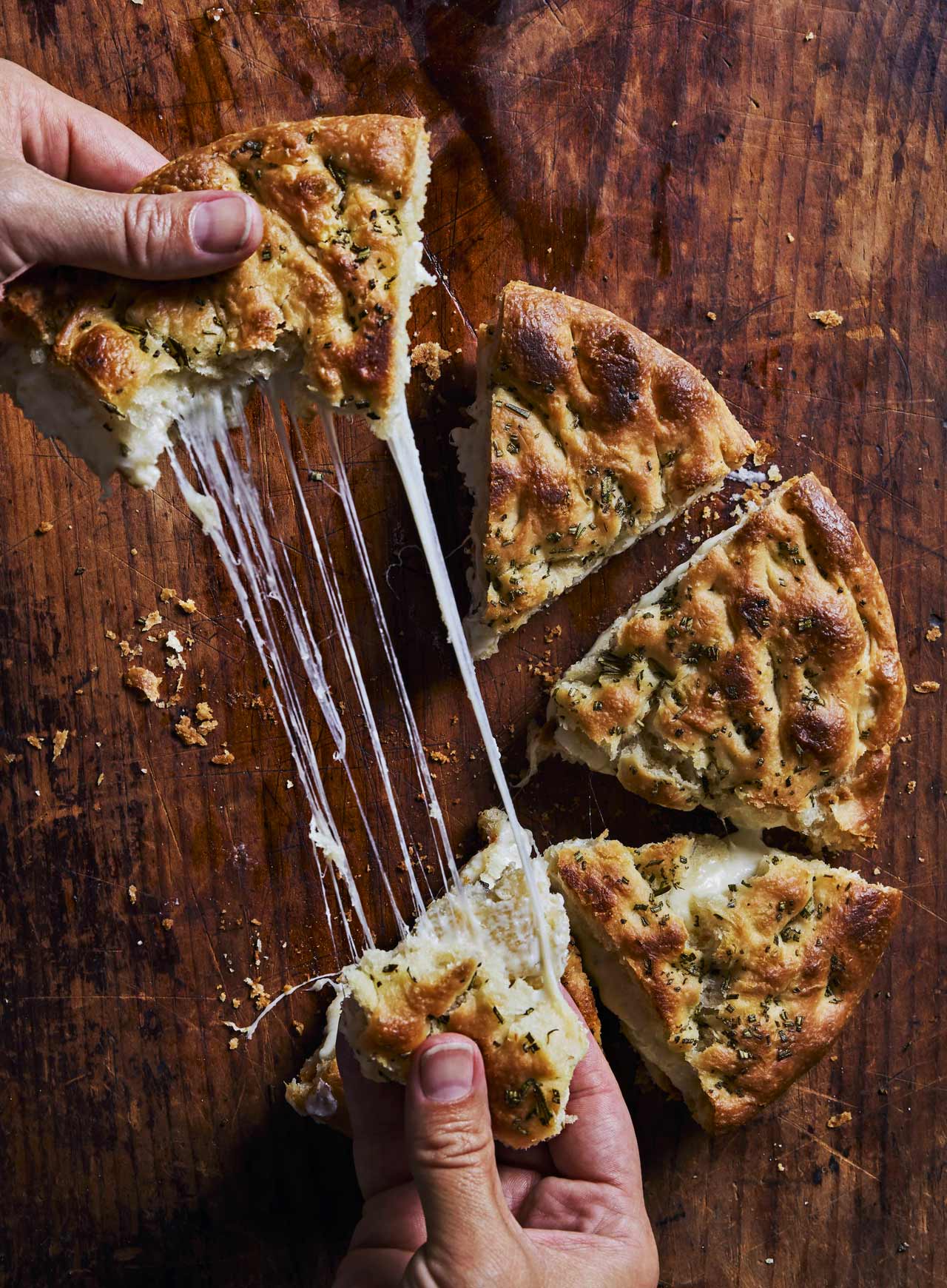
Focaccia, originating in Italy, can be beautifully simple with dimpled dough, good olive oil and the right salt.In Boston, Fox & The Knife takes a different approach entirely. Chef Karen Akunowicz spent a year living and cooking in Modena, Italy, before she opened her South Boston enoteca, and the focaccia is reflective of that experience. The crusty golden rounds are pressed with rosemary, rivulets of olive oil across the surface, then sliced through the middle and filled with Taleggio, a melty, stretchy, decadent Italian grilled cheese.
Lavash
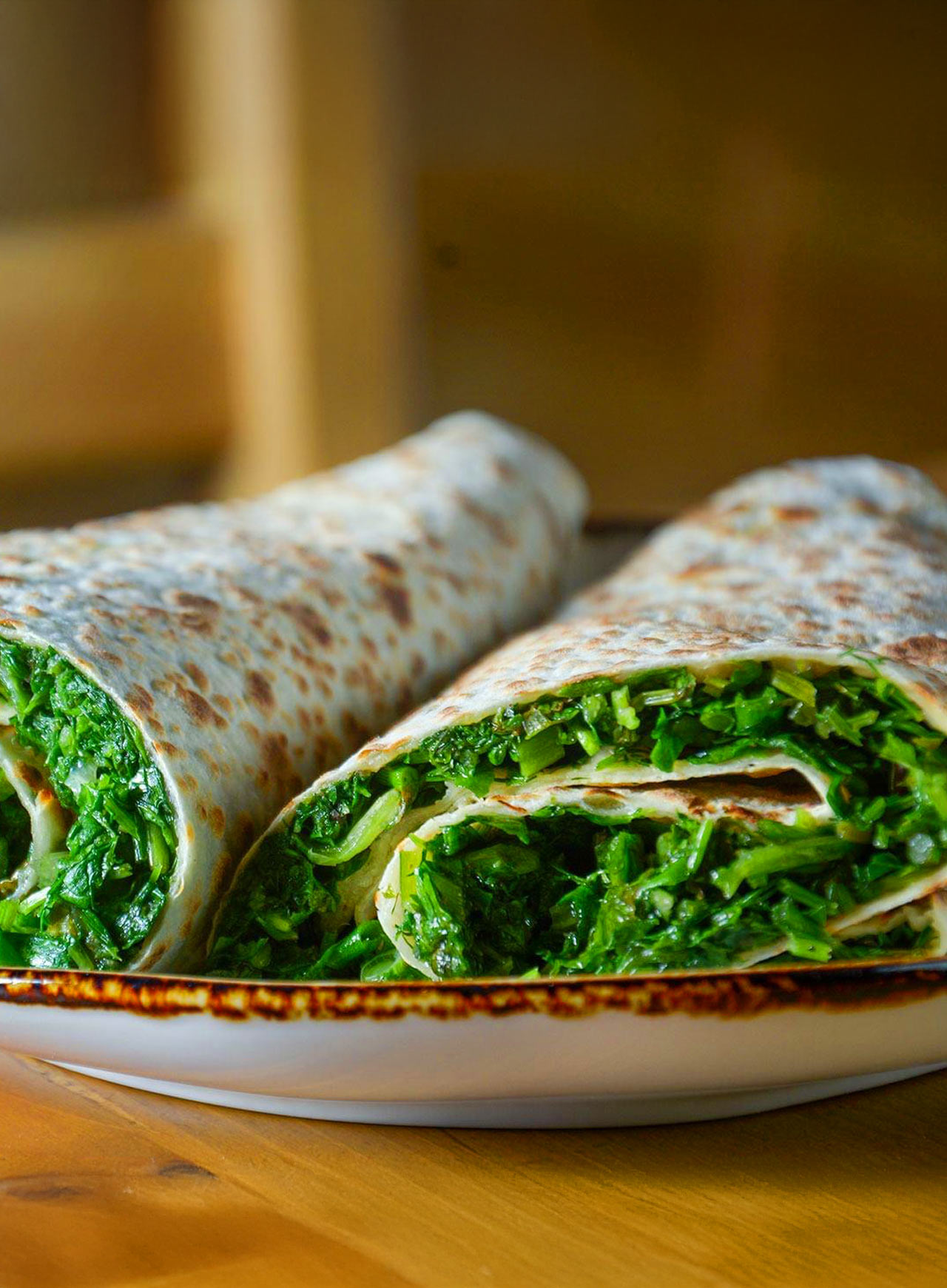
As a flatbread, lavash has something special – UNESCO Intangible Cultural Heritage status. In fact, it’s one of the few breads that does. This recognition touches on a baking tradition that lives across cultures and countries such as Armenia, Azerbaijan, Turkey and Iran. With lavash, thin sheets of dough are pressed against the curved wall of tonir, a clay pit oven, ultimately emerging with a paper-like, faintly charred texture. The bread is large enough to wrap around cheese, herbs or meat, and if it’s left out, it dries into something that resembles a crisp cracker. But when it’s softened with just a little moisture, it’s magically pliable again.Glendale, California is home to one of the largest Armenian communities outside of Armenia, and Zhengyalov Hatz, puts lavash on center stage. The restaurant is actually named for Zhengyalov Hatz, a flatbread filled with a mixture of both wild and cultivated greens.
Naan and Kulcha
The tandoor – a cylindrical clay oven that runs extremely hot and bakes bread in minutes – separates naan from almost every other flatbread. The bread blisters and chars on the outside while the inside stays perfectly soft. The dough is enriched with yogurt, and often eggs or milk, giving it a special pull that many other flatbreads don’t have.
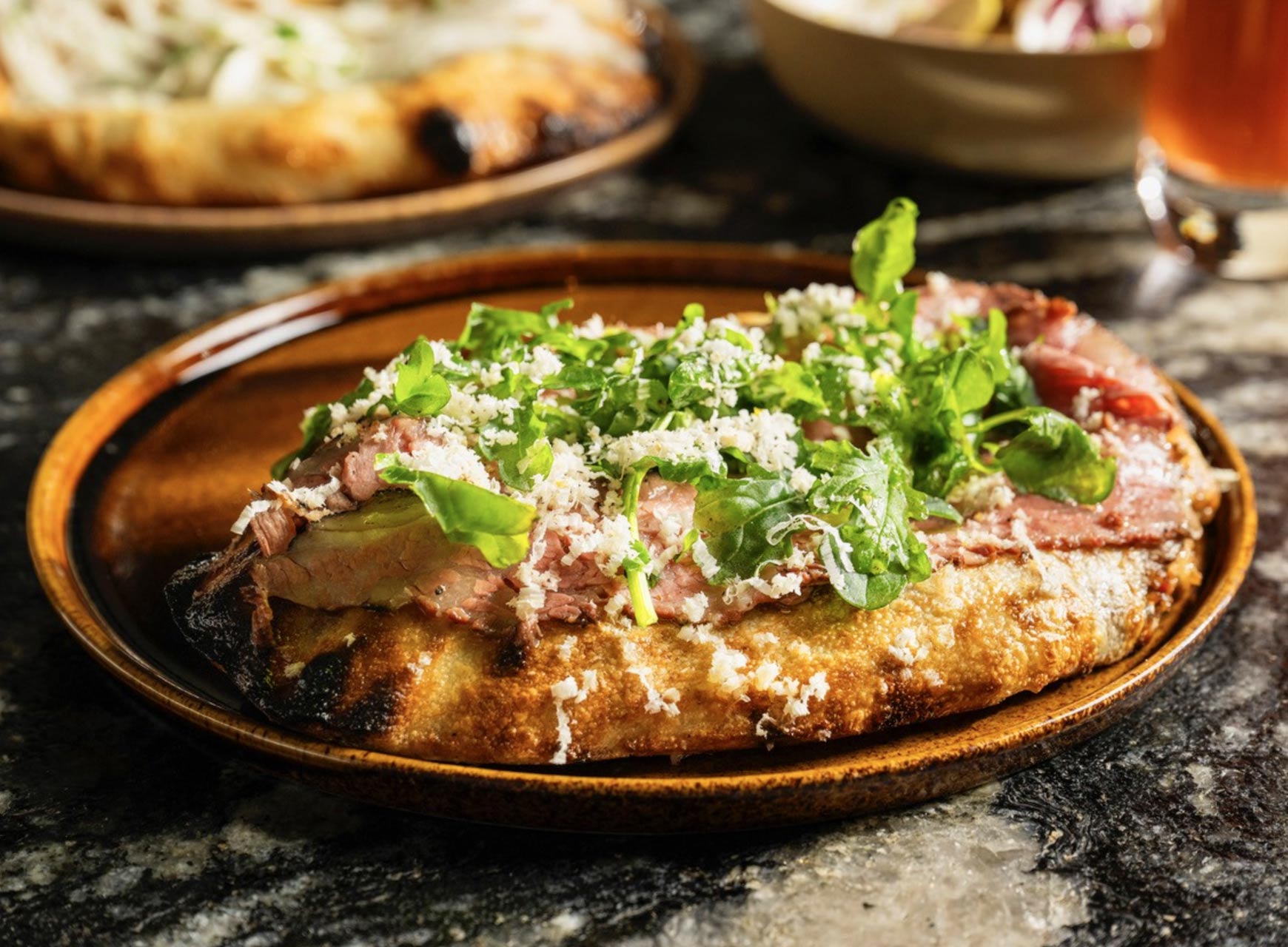
Kulcha, or Punjabi for flatbread, is also cooked in a tandoor but unlike naan, it is stuffed with savory fillings. At Crown Shy in New York, Chef Jassimran Singh puts a twist on tradition in the two varieties offered on his menu. One is stuffed with potato (like it is in India) but is updated with brown butter espuma (foam) and green Thai chili. Another, made with arugula, horseradish, black pepper and short rib, is a play on a New York classic — pastrami.
Tamarind in TriBeCa elevates naan, pushing beyond the expected plain and garlic options. The Malai naan, made with cream cheese, cilantro, jalapeno, bell peppers and tadka yogurt, is both rich and delicate. The broccoli and cheese naan offers an indulgent, vegetable-forward riff on classic American comfort food, while the wild mushroom and truffle oil naan weaves together ingredients previously unassociated with Indian cuisine.
Paratha
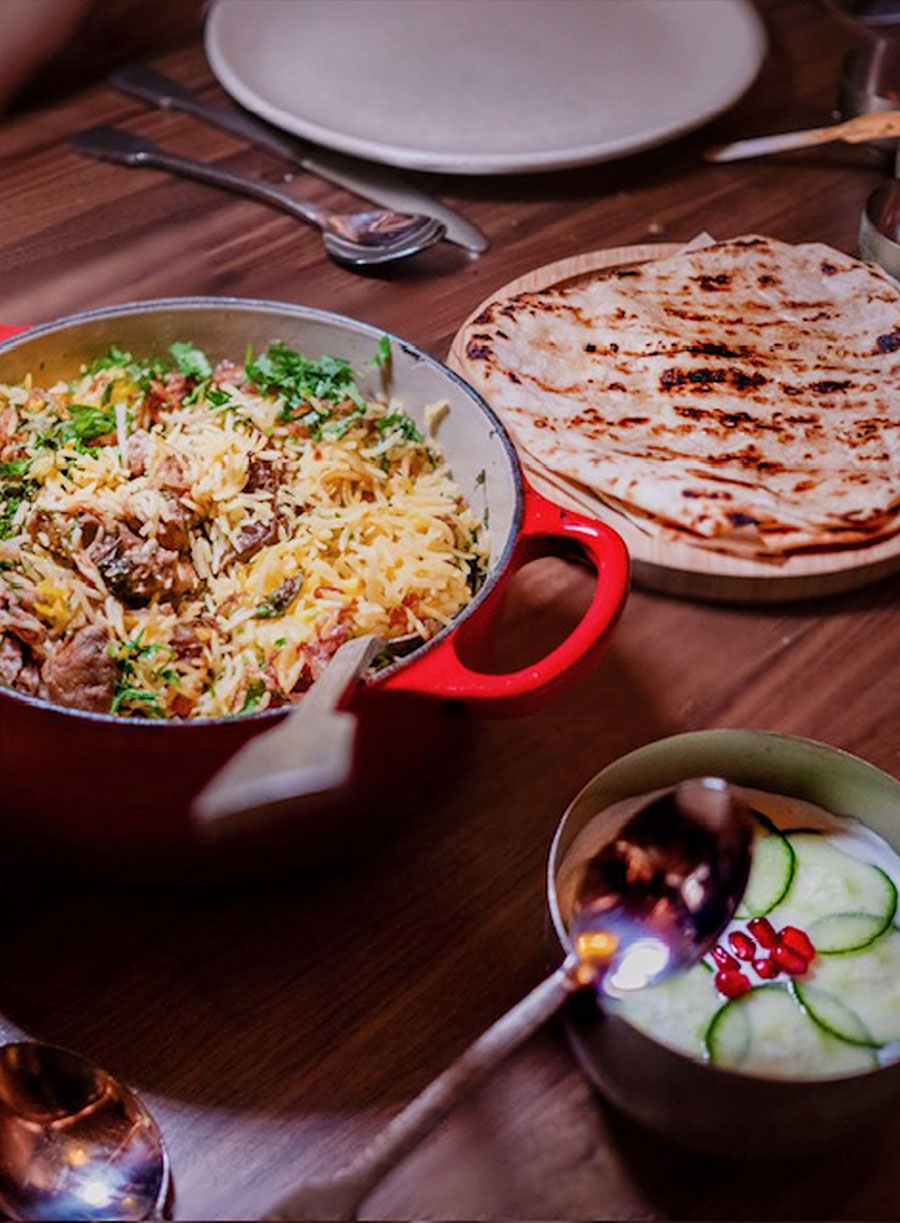
If roti is considered to be the everyday flatbread, paratha is what you get when you spend a little more time on the bread itself. Fat, whether it’s oil, ghee or butter, gets folded into the whole wheat dough, and then the whole thing cooks on a hot tawa, (a wide and flat concave metal griddle), until it’s golden and blistered. The layers of the bread beautifully separate the way a croissant does, but the paratha is more dense and more forgiving. Eat it with a pickle and yogurt for breakfast or a complex curry for lunch or dinner.
In New York City’s East Village, Adda from Chef Chintan Pandya built its reputation on the idea that home-style Indian cooking deserves the same attention as anything that comes out of a tasting menu kitchen. "Our paratha is a flaky, layered Indian flatbread from the Indian Subcontinent," says Chef. We cook it on a hot griddle with ghee or oil, and pride ourselves on its crispy outside and soft, rich interior."
Pide
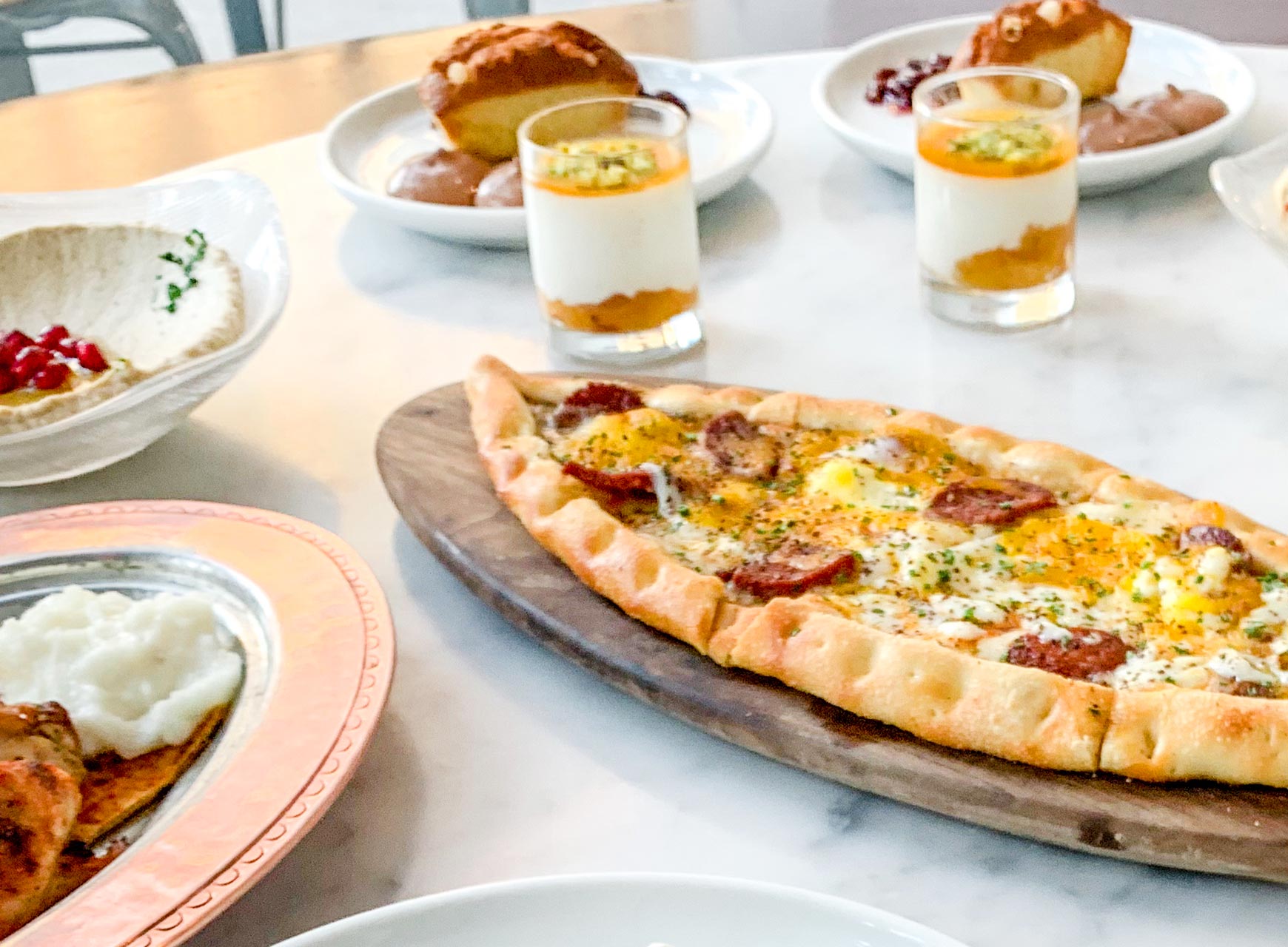
Pide's elongated boat shape with a crimped-edge form is thought to trace back to an ancient Anatolian tradition of cooking flatbread against the walls of brick ovens. The curved sides keep the fillings contained while the crust gets crispy directly against the heat. Traditionally fired in wood-burning stone ovens, pide has a crisp base with a tender middle where toppings like cheese, spiced meat, vegetables and egg will pool and melt.At Zaytinya in Washington, D.C., the pide arrives at the table straight from the oven, with the edges still blistered and the cheese still moving. The restaurant is Chef José Andrés's long-running love letter to the Eastern Mediterranean, and according to Concept Chef Michael Costa, the pide is personal. "José fell in love with pide in Turkey,” he says. The restaurant built a domed brick oven in D.C. to get that same fire as the ovens in Turkey. “That gives you perfectly crisp bread every time,” Costa adds. “Our za'atar pide is one of our most beloved dishes which comes to your table, fresh from the oven, covered in hot, bubbling cheese, sprinkled with za'atar (a Middle Eastern spice blend), topped with a golden egg yolk you mix into the flatbread."
Pita
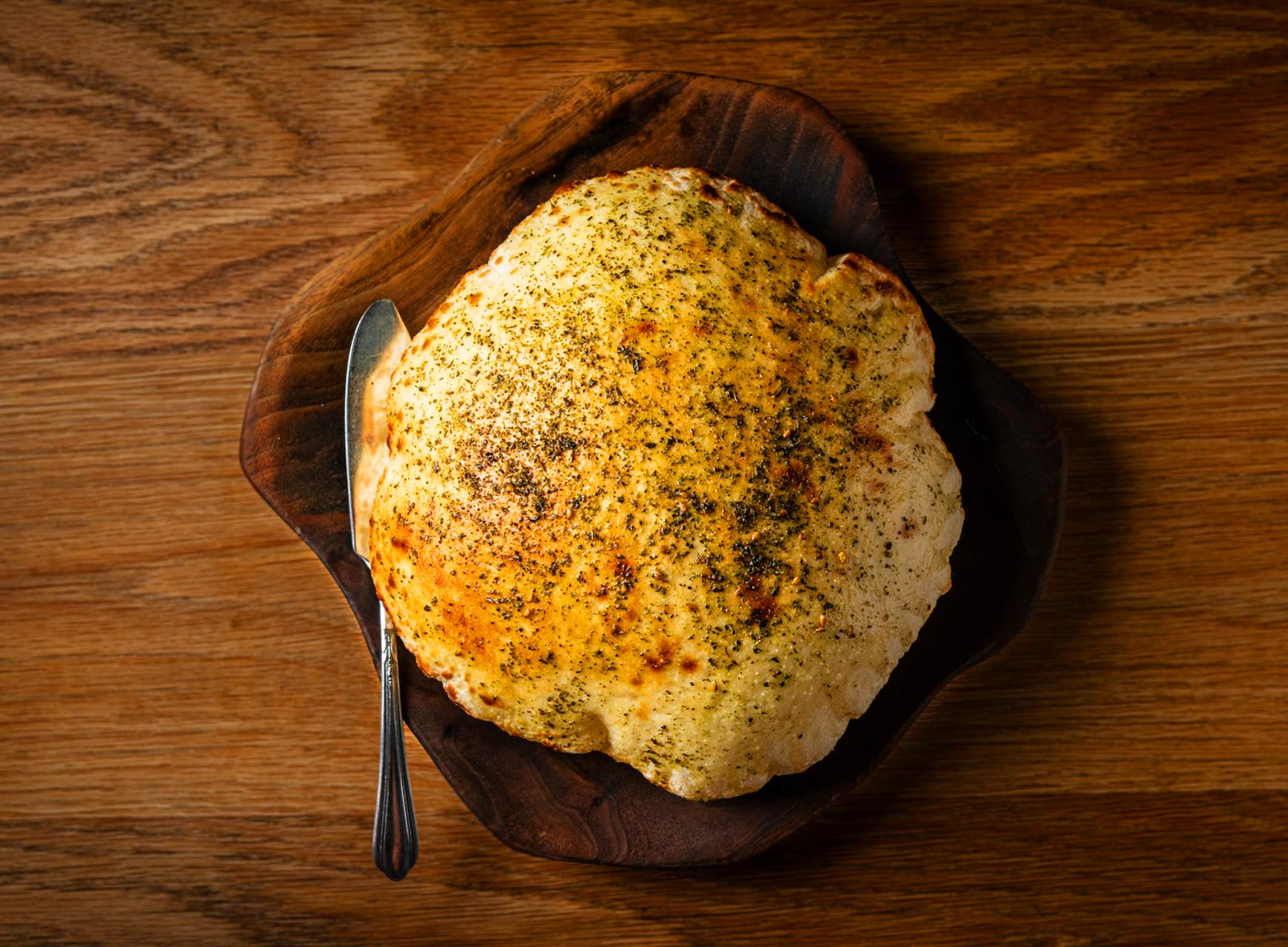
The pita pocket goes beyond being decorative. It’s about physics. When the dough hits a scalding hot surface, the steam inside of it pushes out, ballooning the bread before the inside perfectly splits. Pita was always meant to hold delicious things.In Washington D.C., Albi, a Middle Eastern restaurant, treats the pita with intention, adding labneh to the dough itself. Chef Michael Rafidi’s cooking pulls from his Palestinian heritage and the wider Eastern Mediterranean flavor palate, and the bread program reflects that.
Roti
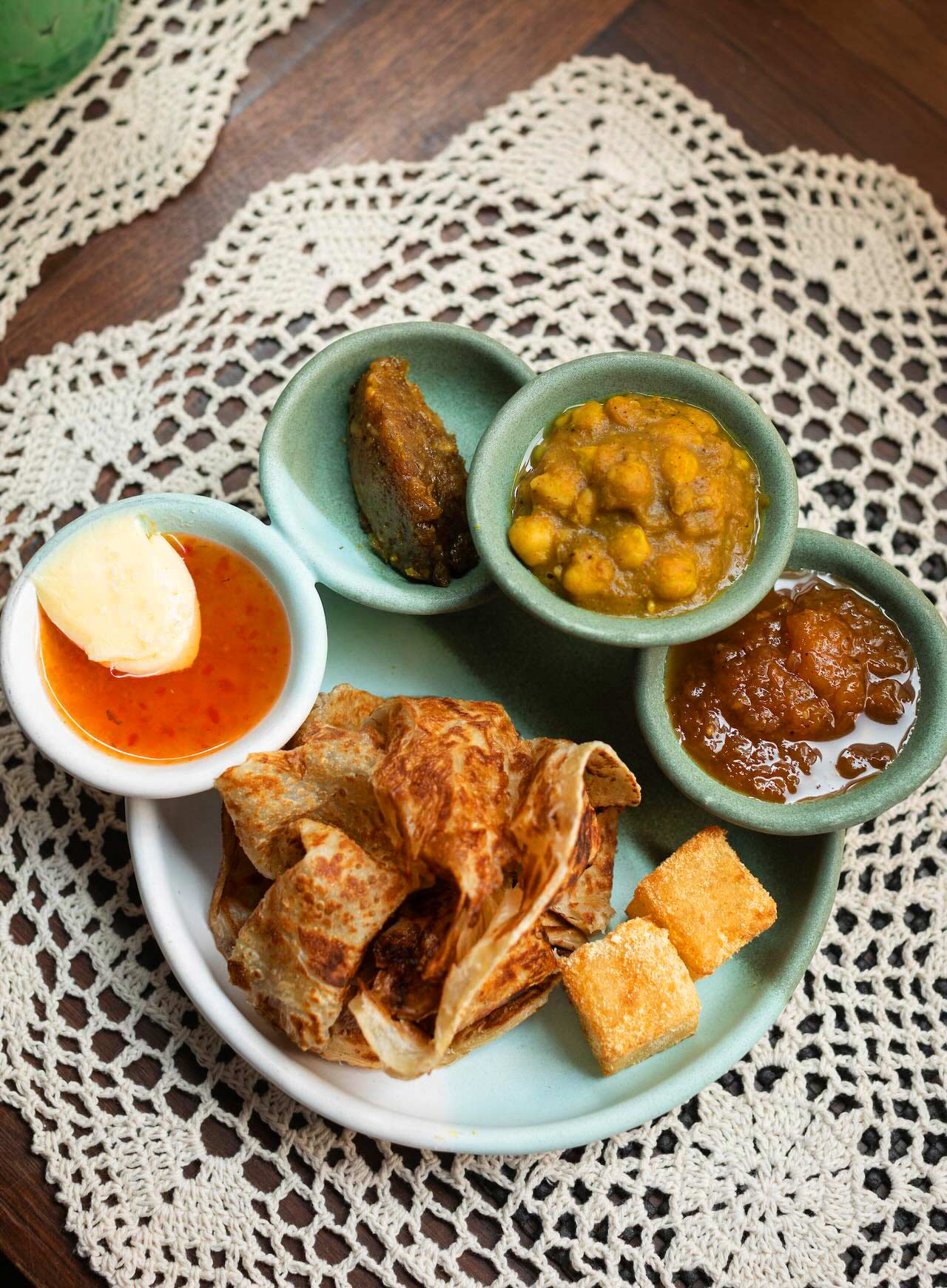
From India to the Caribbean, Trinidad, Guyana and much of the West Indies, and across the Indian Ocean to Sri Lanka, roti has been a foundational and cultural food staple. The layered and flaky bread is made by folding butter or ghee into the dough, and its many regional iterations tell the story of a dish that travels, transforms and endures.At Kabawa in Manhattan's East Village, Chef Paul Carmichael honors the Caribbean tradition with his buss-up-shut — a torn, gloriously flaky roti meant to be eaten with your hands and used to scoop up everything on the table. "At Kabawa, I wanted to serve the flakiest, most buttery buss-up-shut possible," he said. "It's something that is a great introduction to the food of the Caribbean and our style of service. It's playful, you eat it with your hands, and it sets the mood for your meal: delicious and un-fussed. If you run out, no stress, you can get more to mop up all the things."
Uptown, at Lungi, Chef/co-owner Albin Vincent takes roti in a different direction with kothu roti, the beloved Sri Lankan street food staple. Here, soft roti is stir-fried with vegetables, aromatic spices and a choice of protein, then chopped together on a searing hot griddle in a performance as theatrical as it is delicious. "Kothu roti is the most popular dish that captures the essence of Sri Lankan street food culture," Vincent said. "What makes it special is its various textures and flavors...the dish showcases the artistry of the street vendors who prepare it." For Vincent, it's also a statement of purpose: "I believe kothu roti is more than just a simple dish. It resonates with many because it brings people together, evoking memories and a sense of community."
Related Articles:
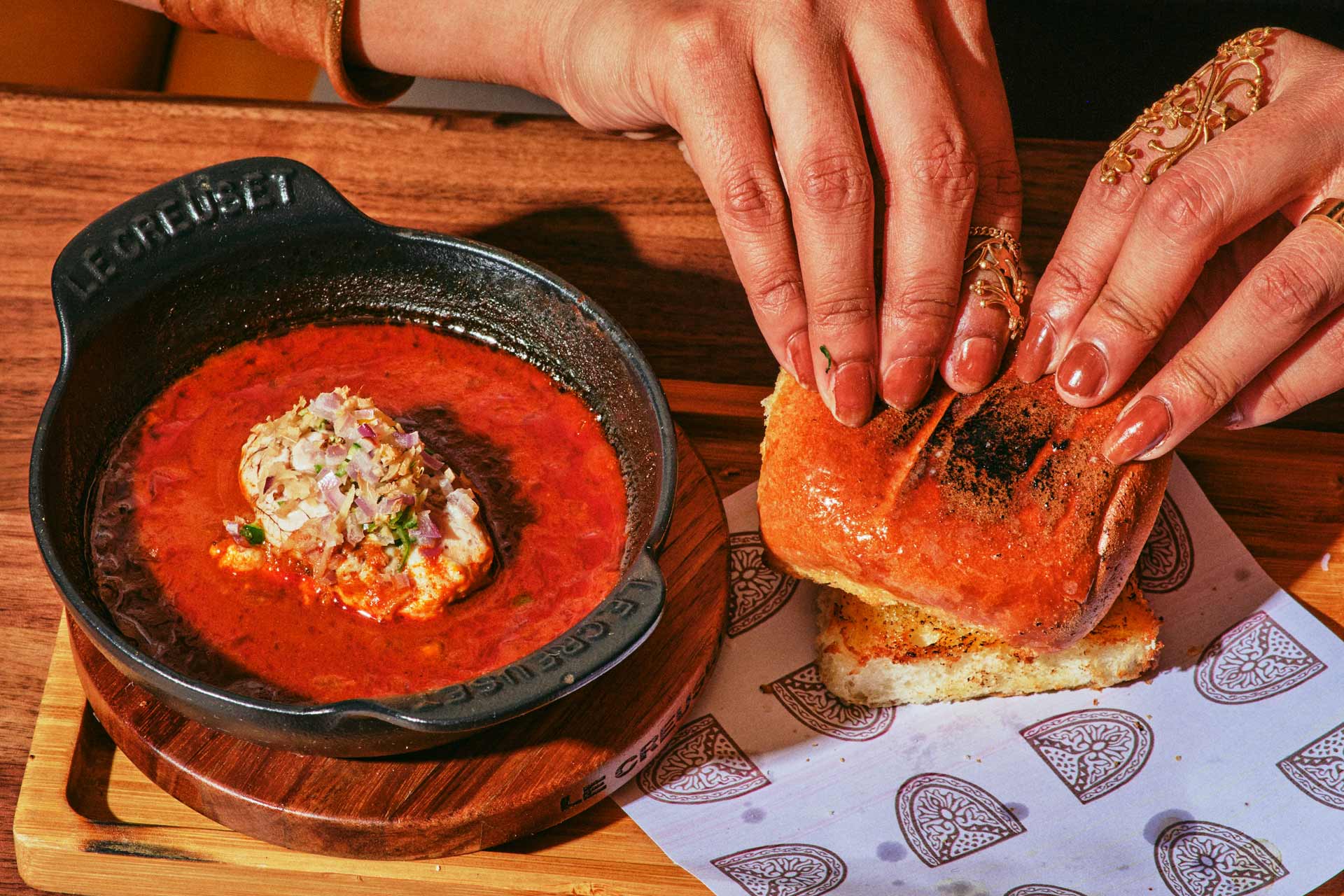
Hero image: Paratha from Adda. © Alex Lau/Adda
Thumb image: Focaccia © Kristen Teig/Fox & The Knife