26 February 2026
Share


Of all the restaurants in the world with a MICHELIN Star, none serve a lunch quite like Expendio de Maíz in Mexico City.
For one, the restaurant doesn’t take reservations: guests give their name to a host and wait their turn in a crowd on the street. The few tables that do open up are shared between parties.
When it’s time to order, there is no menu. Every meal begins with the question, “Do you eat everything?” and ends when the diner signals for the parade of dishes to stop.
The unusual presentation of extraordinary Mexican cuisine is a remnant of the restaurant’s earliest days. Seven years before it was awarded One MICHELIN Star at a ceremony in June, Expendio de Maíz started off selling corn by the kilo.
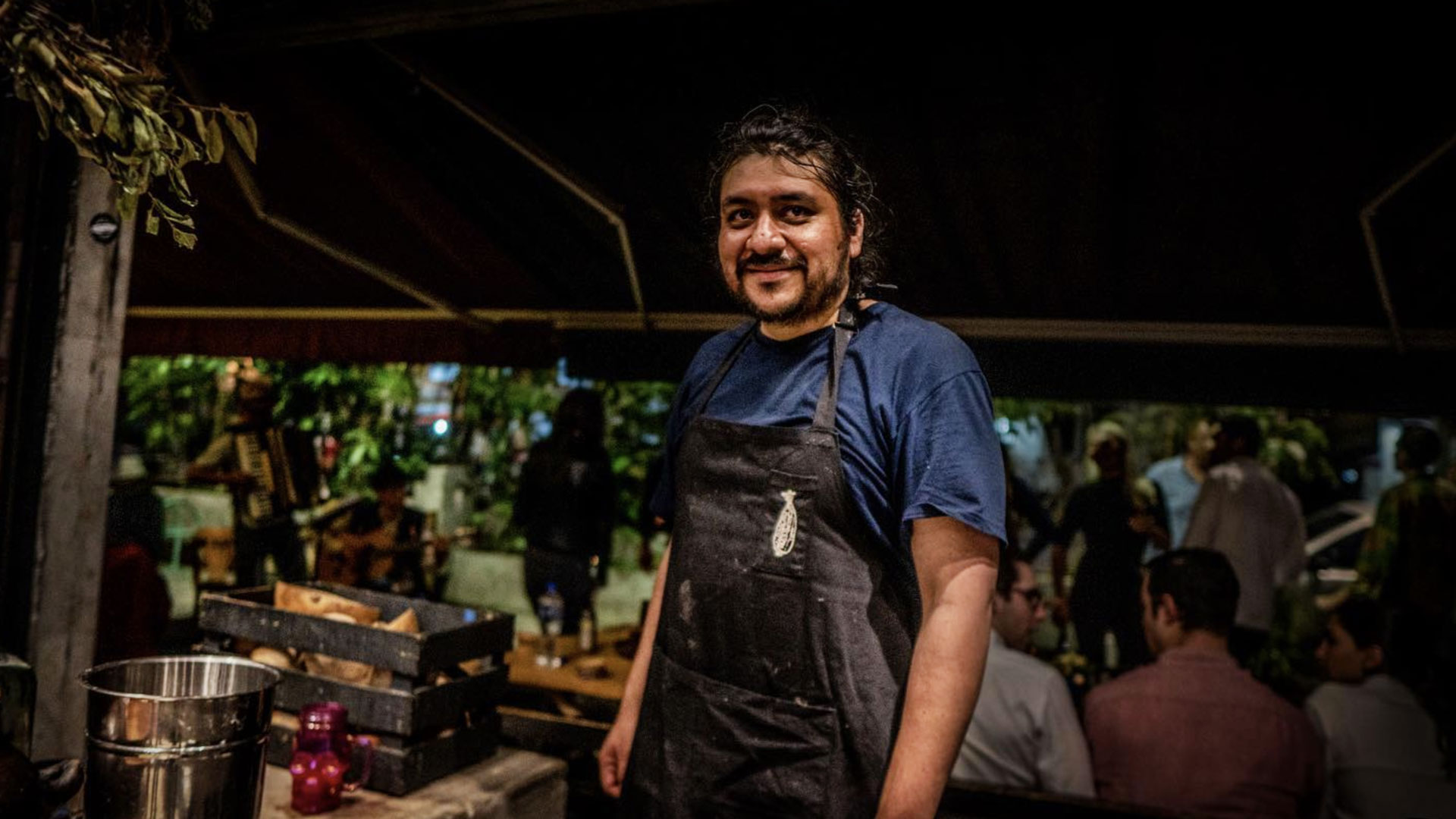
On a recent afternoon, Jesús Salas Tornés, the chef and owner, explained his philosophy.
“When you invite someone into your home, you're not going to give them a menu,” he said. “The basic principle behind all of this is: I want to feed you things I’d only give to someone I love.”
The original iteration of Expendio de Maíz, literally translated as “corn dispensary,” was a neighborhood spot to sell masa. Tornés, a culinary school graduate who worked for years in markets, nixtamalized the corn himself, treating the kernels with cal (an alkaline solution) and grinding them into the dough that’s the base of much of Mexican cooking.
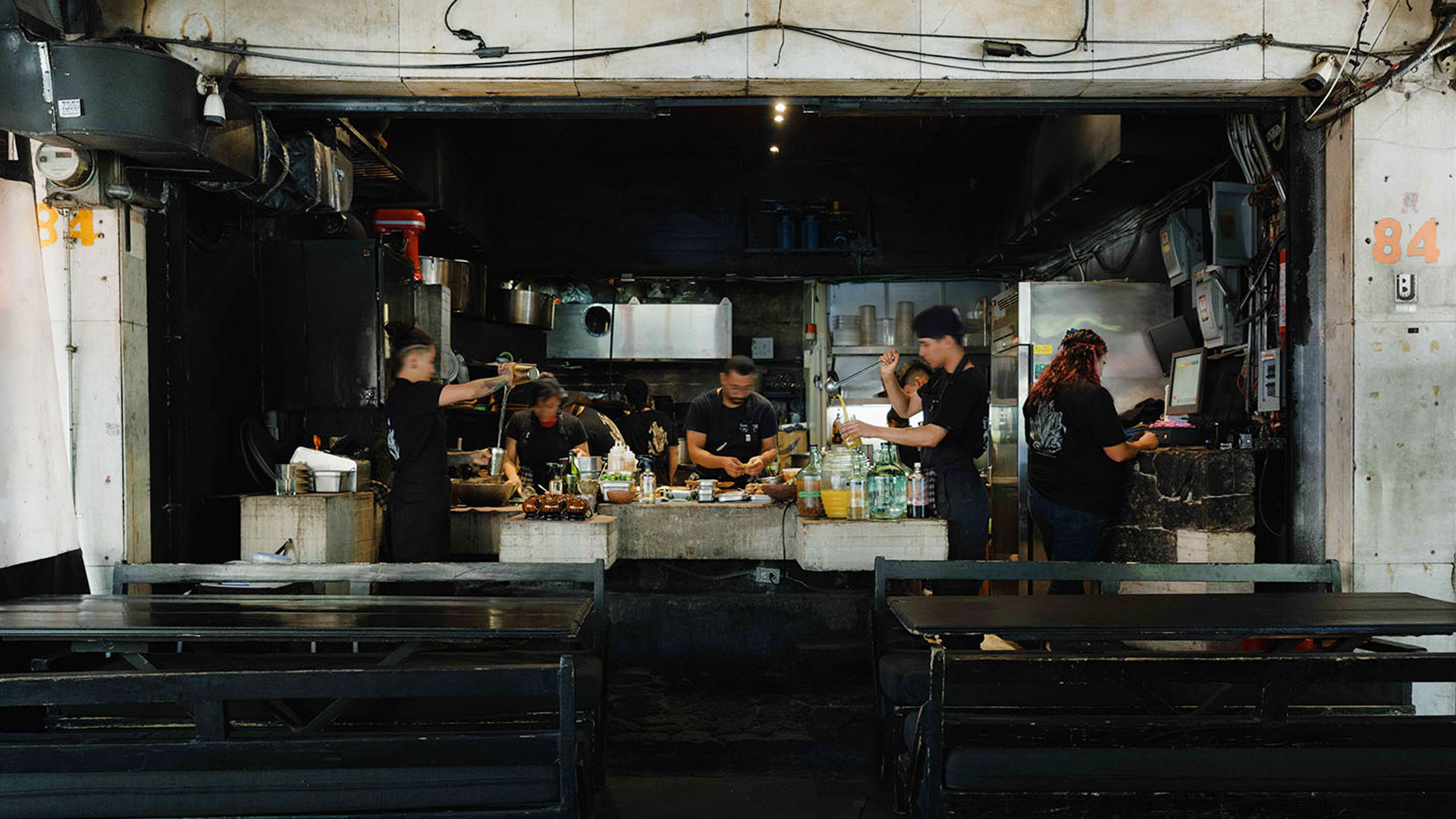
When economic considerations became too great to ignore – the restaurant’s Roma Norte location has some of the city’s highest rents – Tornés began to invite passersby in for a seat in the kitchen.
“There was the comal and a raised platform where you could sit and I would say, "Do you eat everything?” he remembered.
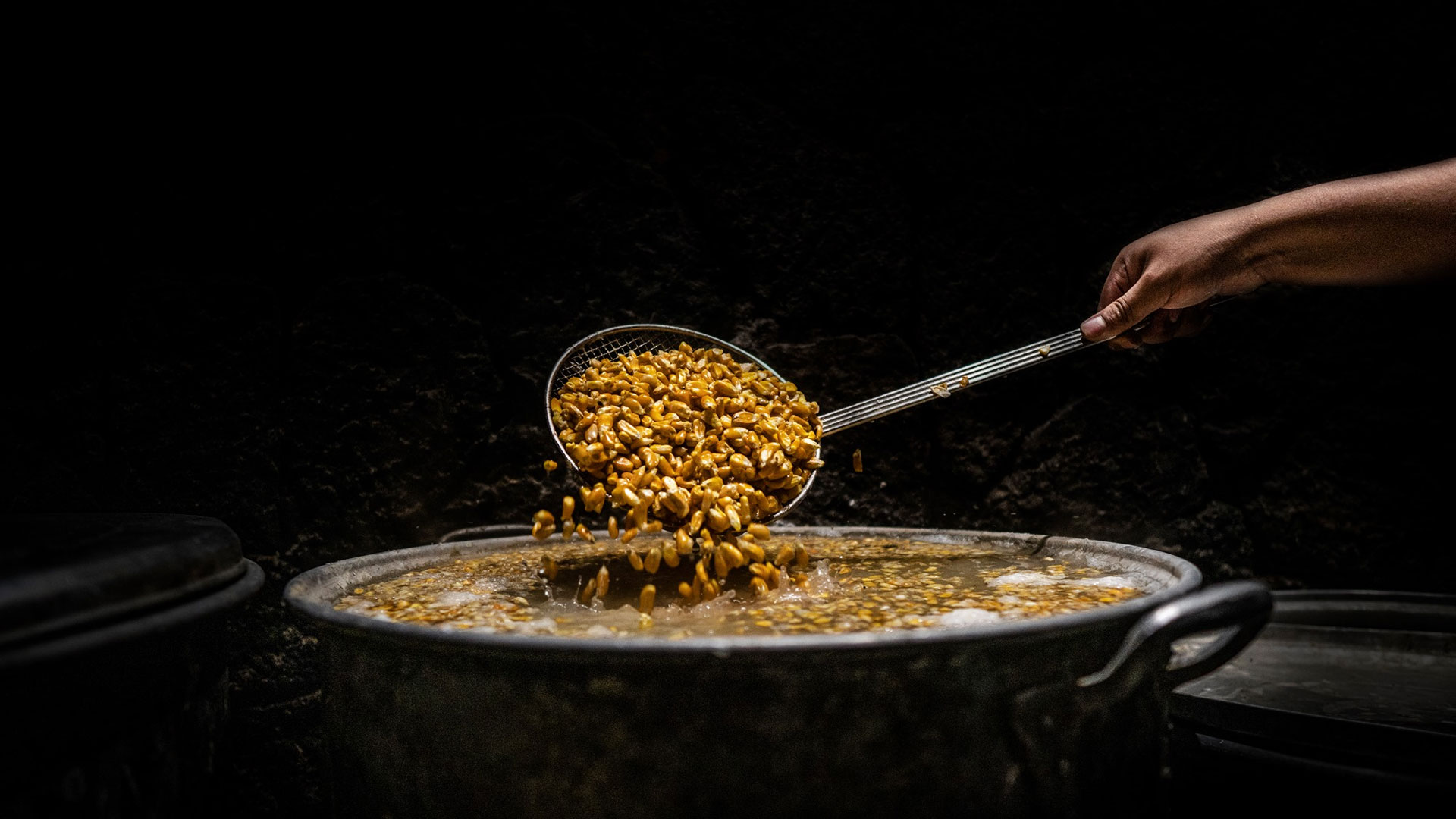
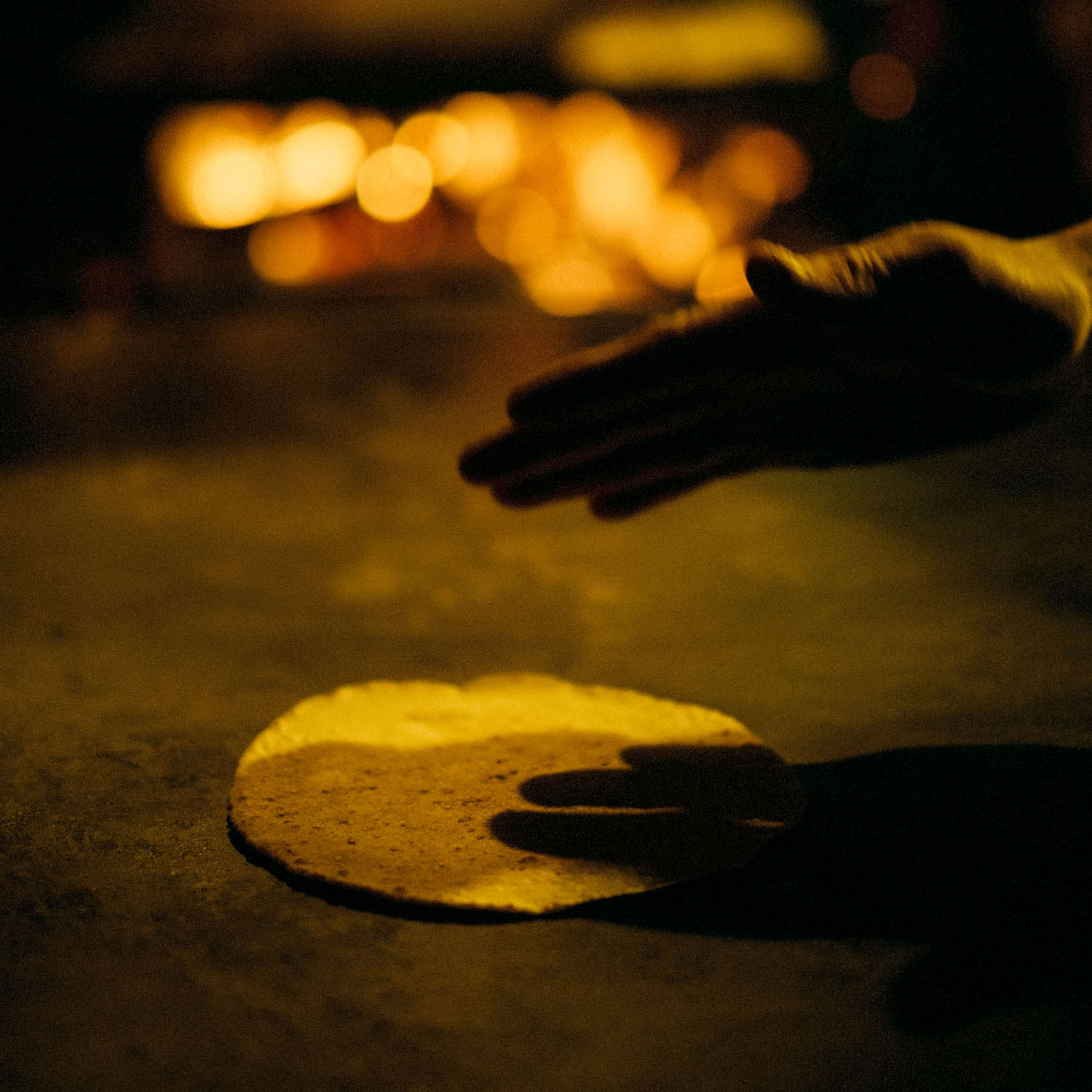
Today, masa is still the restaurant’s totem, shaped into a new form with every course that arrives.
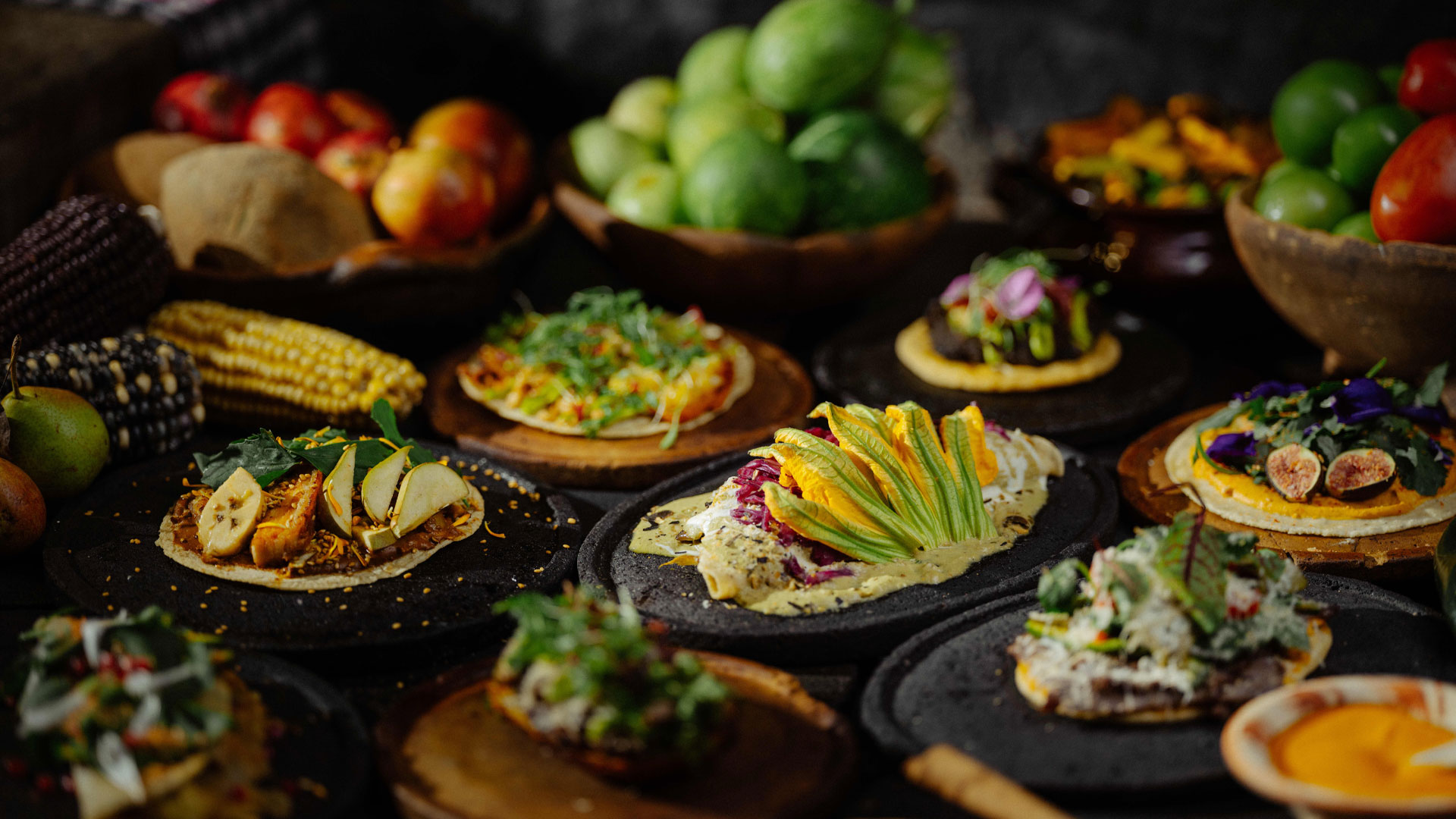
First, it appears as a canoe, a chewy huarache lined with beans and piled with salty sheets of beef. Then it’s become a fluffy tortilla, the base of a taco filled with a luscious peanut mole. Later, it's a jarochita, a thick fried disk buried in chili-marinated meat.
“There are so many ways to show respect to corn, beginning with getting to know the person and the hands that plant it. I consider it an opportunity and a privilege in my life,” Tornés says.
Behind the constantly changing menu is a network of producers that Tornés has been building ties with for twenty years: ranchers raising heirloom pork, a pair of señoras who forage mushrooms. Every week, Tornés travels into the countryside to meet with one.
“I become involved like a member of the community and a member of the family,” he says.
Tornés spent much of his childhood in Mexico’s Costa Chica, a stretch of hot Pacific coastline home to the country’s main Afromestizo communities.
After studying to be a chef, he worked in the nightlife industry and grew to appreciate the need for traceability in gastronomy – being able to follow ingredients back to their soil and recognizing all the history in those roots.
He was working at an organic market selling crops from his home state in 2017 when he met some of the restaurateurs he would go on to partner with in Mexico City.
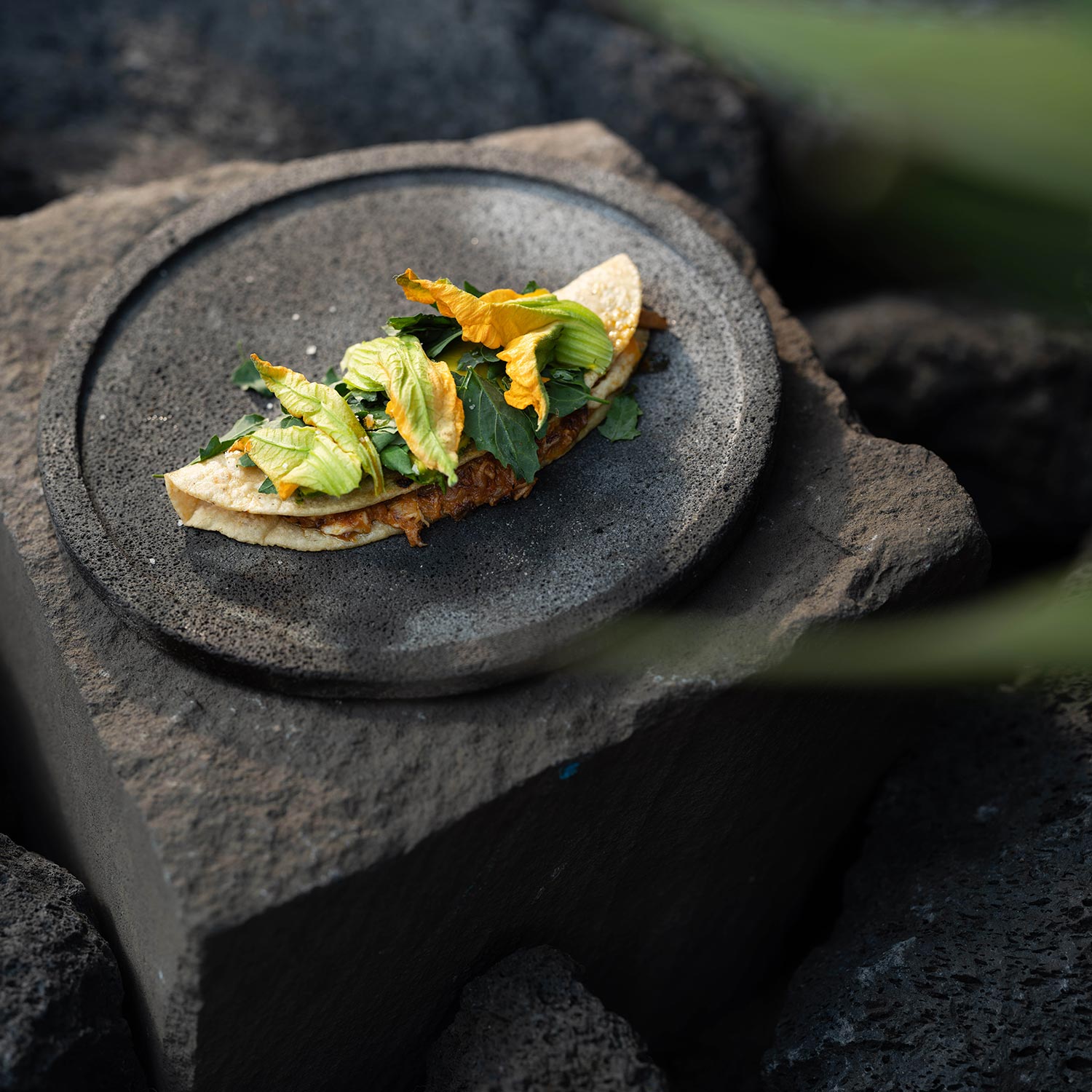
Influences from Tornés’s life are apparent in many of the dishes that pile up before me. An enchilada, my fourth course, mixes an Afromestizan salsa with one made by the Mayans of the Gulf coast.
Dessert, a sandwich of nixtamalized-corn sweet bread and clotted cream, is “an emotional anchor from my childhood,” he says.
I’m instructed to eat it the same way that his grandma, a diabetic, ate the sugar-free treat: with a touch of honey, a sip of coffee and my eyes closed.
When I point out the personal moments poking through in his food, he comes back with a bigger-picture take. His is a kind of cooking that’s not just about memories, but about the imprint food has made on this country over generations.
“Basically, I'm obsessed with Mexico,” he says. “I have a map in my head that connects gastronomic and historical moments and I use them together to create syncretic food.”

More in Mexico City:
Hero image: Full spread of food. © Nicolas Wachter/Expendio de Maíz