13 April 2026

Share


In São Paulo, Brazil and across Latin America, Tuju has made history by becoming, along with Evvai, one of the region's first restaurants to earn Three MICHELIN Stars. Under the visionary leadership of Chef Ivan Ralston and his dedicated team, guests are invited to embark on a 360-degree culinary adventure, meticulously designed as a progressive journey through a space entirely devoted to the art of gastronomy. This ambitious concept celebrates local ingredients and flavors, blending rigorous research, boundless creativity and a forward-thinking ethos.
Here, one of our Inspectors recounts their experience in vivid detail following a recent anonymous meal at Tuju.
A Gastronomic Event in Three Acts
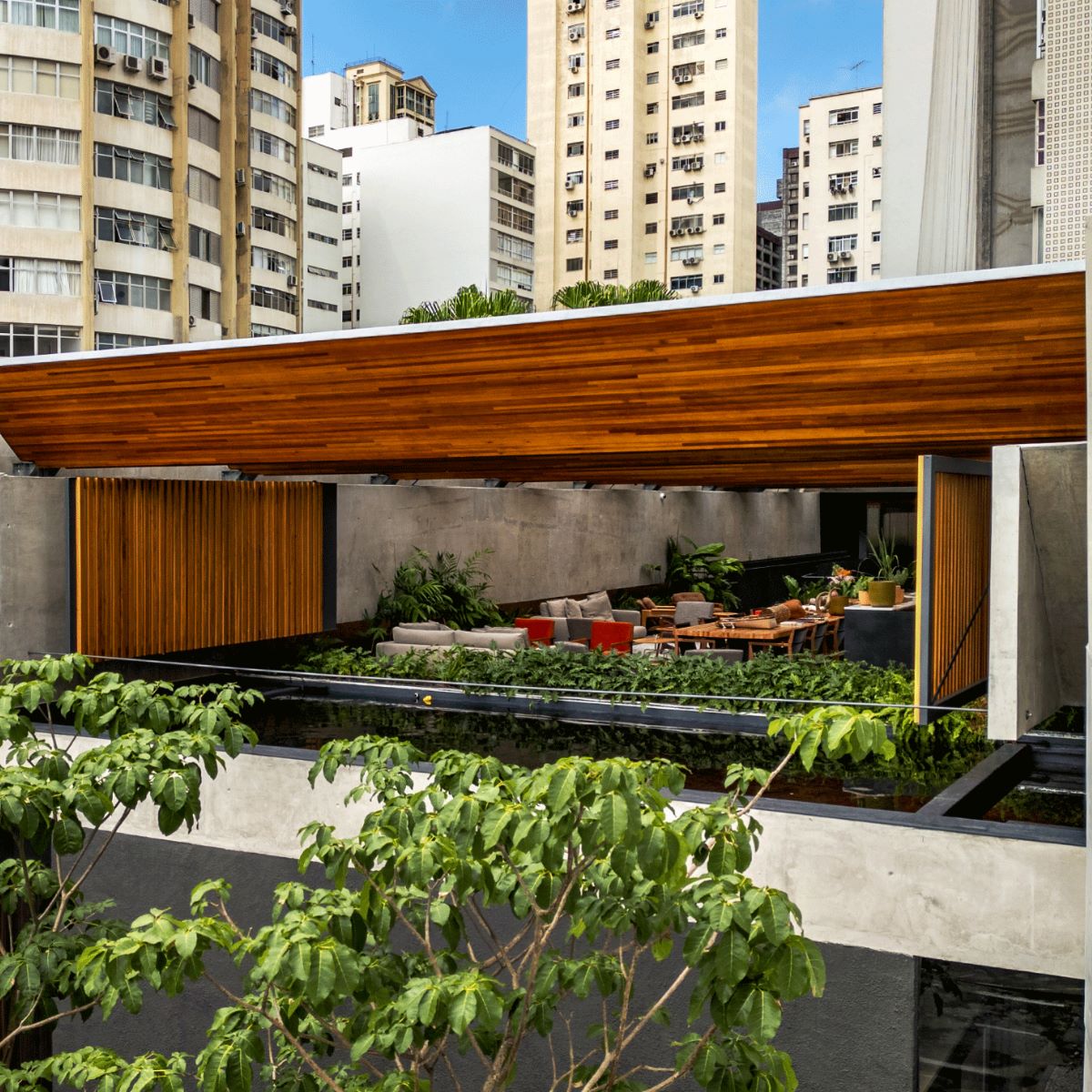
"Amid the maze of São Paulo’s bustling streets, my taxi pulled up to a quiet cul-de-sac in the Jardim Paulistano district, tucked between the lively Avenida Faria Lima and the refined Rua Mário Ferraz. Central yet discreet, the location felt like a serene pause in the city’s relentless rhythm."Before me stood a sleek, modern, three-story building, entirely dedicated to tonight’s culinary spectacle. I knew in advance that the dining experience would be structured as a journey: The ground floor serves as the prologue, the main dining room as the central act and the top floor as the grand finale."
Tuju: A High-Flying Bird
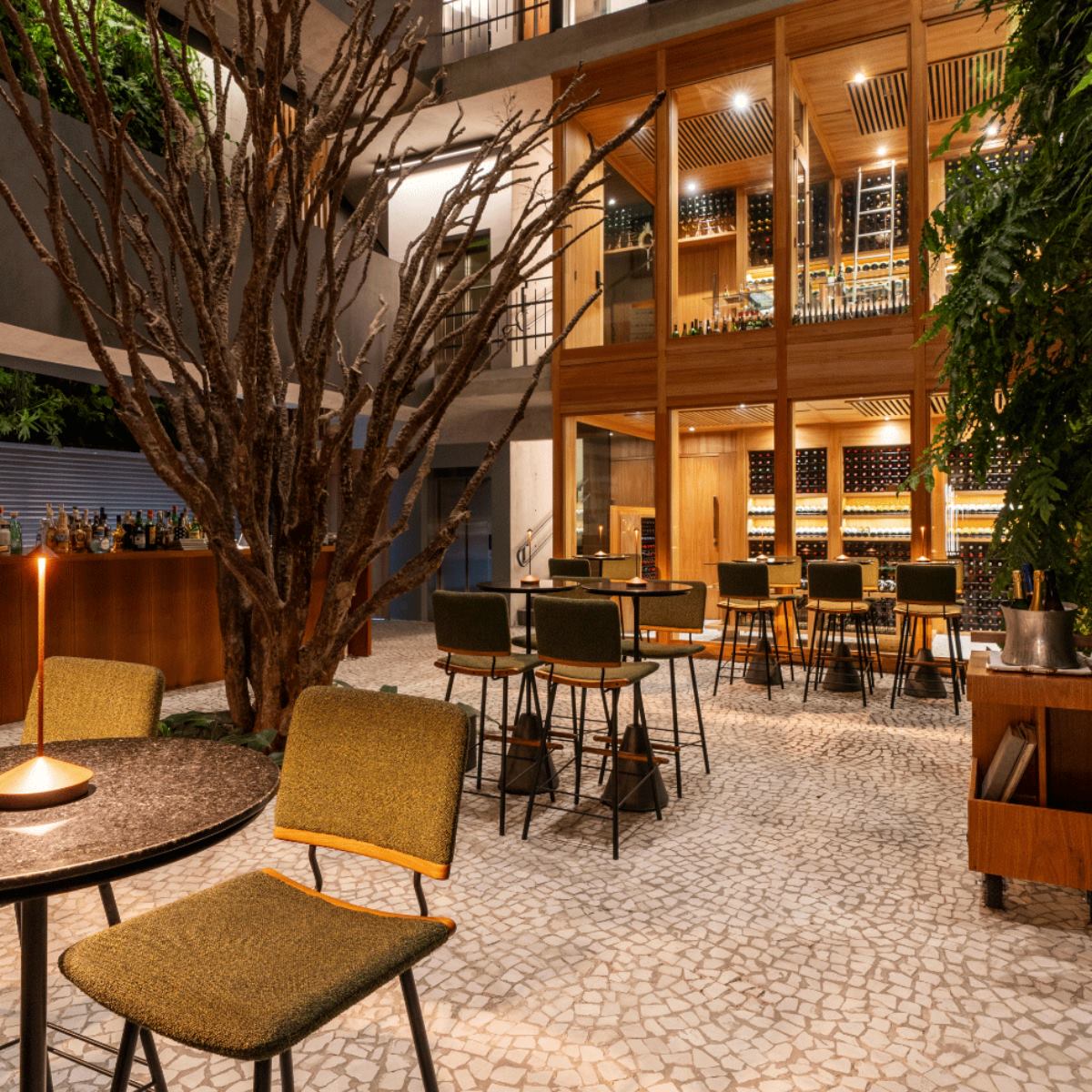
"On the ground floor, I was greeted with warm smiles and guided into a space that felt both inviting and meticulously curated. A well-lit bar, a majestic jabuticaba tree, a lush vertical garden and a two-story glass-enclosed wine cellar set the tone. The background music was subtle yet captivating, which is no coincidence given Chef Ivan Ralston studied music before transitioning to the culinary arts."The experience began with three exquisitely crafted amuse bouche, each one a testament to vision and precision. The first, a delicate tartlet filled with beet tartare and a whisper of duck, hinted at the refined techniques and harmonious flavors that would define the evening.
"As I savored these initial bites, a sparkling Brazilian wine was poured, introducing me to a thoughtfully curated selection of local vintages. Sommelier Thiago Frencl expertly guided me through the options from the restaurant’s extensive cellar, which boasts over 5,000 labels from around the globe. Even with three pairing options available, the team still left room for personal exploration — a considerate touch.
"Before heading up to the next floor, I couldn’t resist taking a photo of a linen napkin embroidered with a small blue bird. Here, no detail was without meaning, as "tuju" is also the name of a Brazilian bird known for flying high. The analogy for the restaurant's soaring excellence practically writes itself."
Swiss Precision with Brazilian Flair
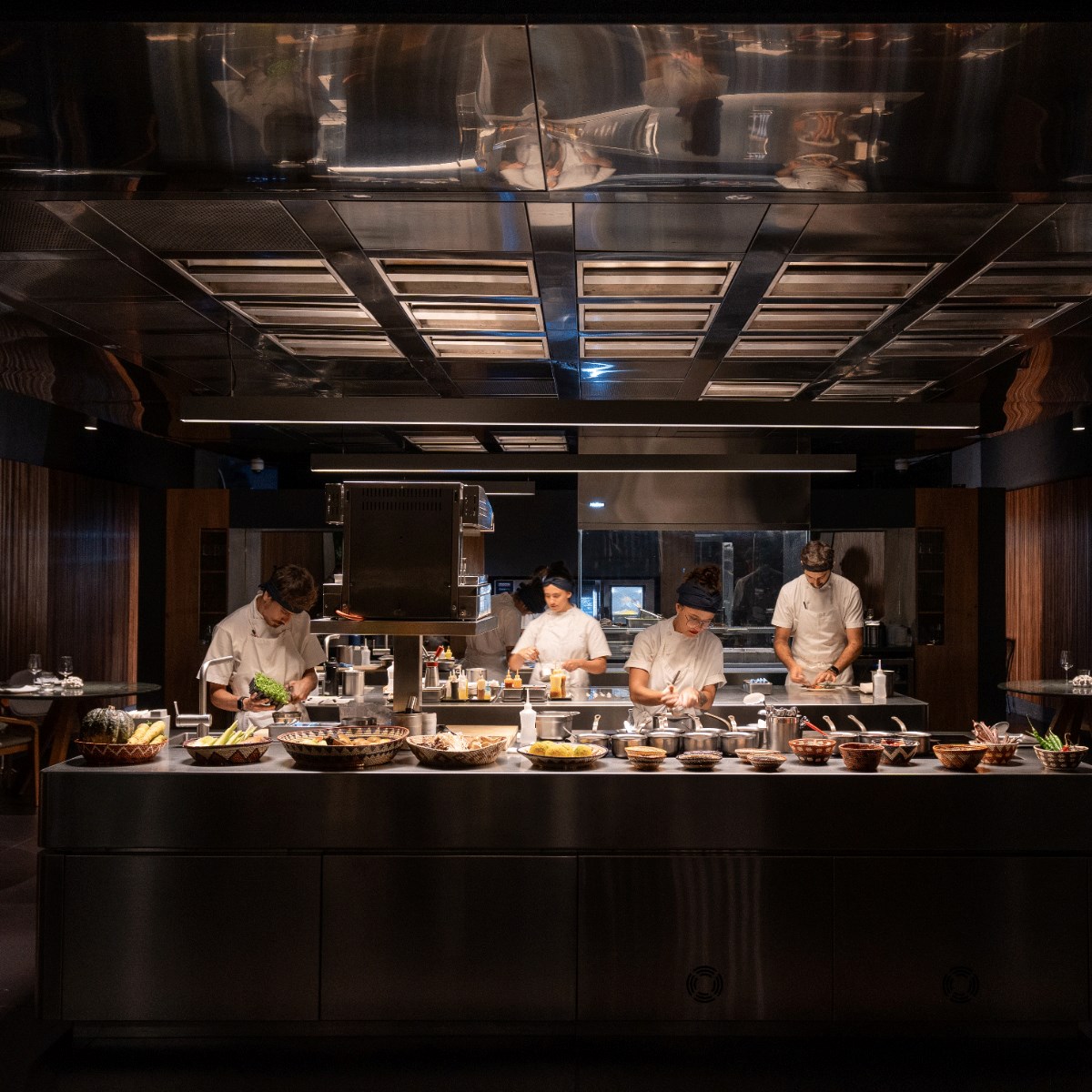
"After the aperitifs, an elevator whisked me upstairs. As the doors opened, I stepped into a dining room that was both elegant and welcoming. At its center stood an open kitchen, surrounded by nine spacious green marble tables. The minimalist design incorporated natural materials and carefully calibrated lighting, achieving a balance that was refined yet never austere."From my seat, I watched a team of eight chefs working in seamless harmony under Ralston’s calm and composed leadership. The service mirrored this precision: Guided by maître d’ Rodrigo Cavalcante, the floor staff moved with the grace and timing of a Swiss watch — approachable yet impeccably professional. Each team member introduced themselves, maintaining a poised rhythm and an intuitive sense of when to engage."
Seasonality Reimagined
"An array of fish, shellfish, meats and vegetables graced the table, each dish a thoughtful reinterpretation of Brazil’s rich terroir. I learned that after extensive research, the restaurant uncovered a fascinating insight: In São Paulo, seasonality is not dictated by traditional seasons but by a defining characteristic of the local climate: humidity."With this revelation, the tasting menu evolves four times a year, each iteration named after concepts that resonate with the Brazilian experience: Humidity, Rain, Wind and Drought. These menus are designed to showcase each ingredient at its peak — when flavor, texture and aroma are at their most vibrant.
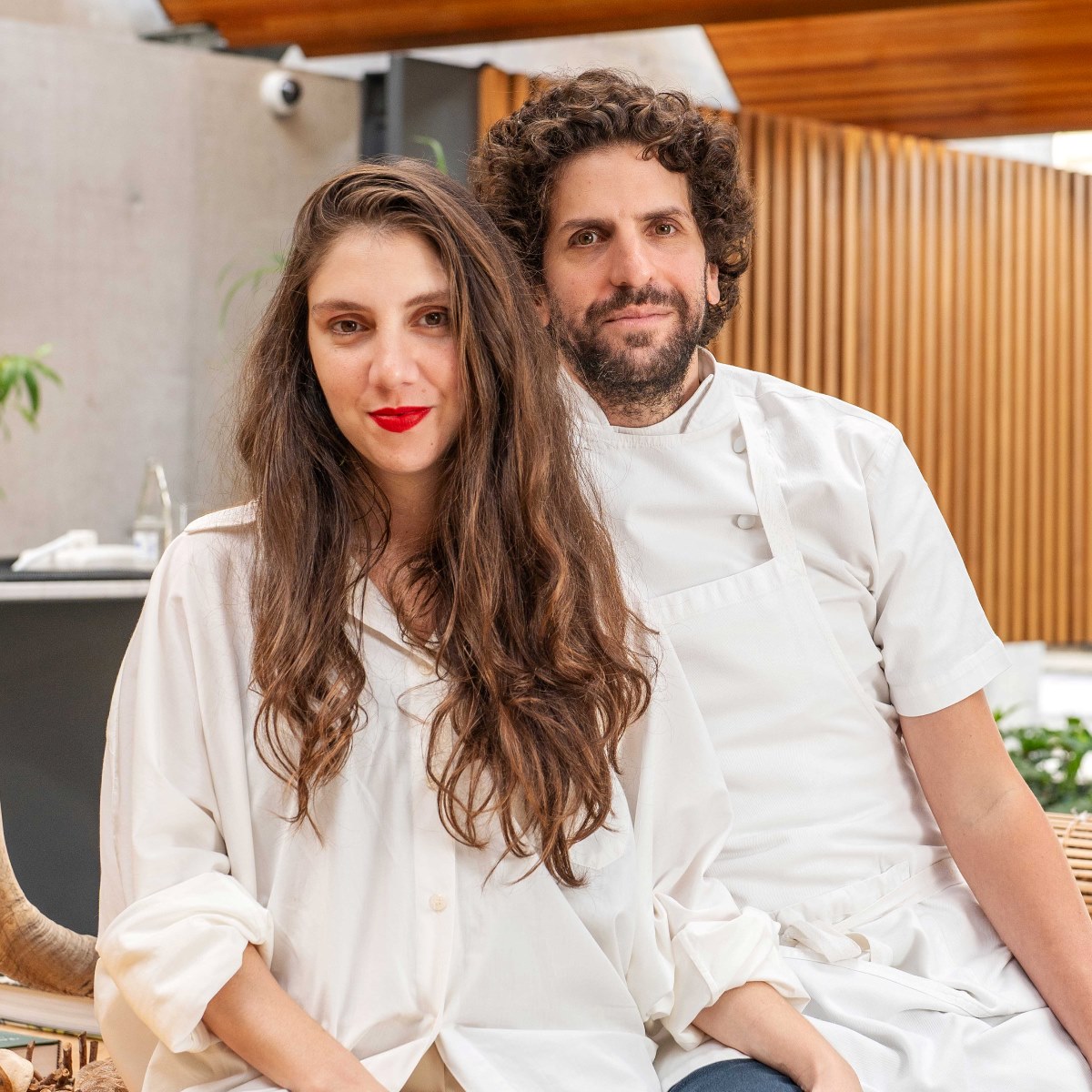
"The team’s explanations struck the perfect balance between depth and accessibility. Behind each dish was meticulous effort: Katherina Cordás, who is both Ralston’s life partner and Tuju's co-founder, leads an almost obsessive ingredient-sourcing process, collaborating with small-scale producers, many of whom are based in São Paulo state.
"The restaurant’s commitment extends beyond the plate, embracing provenance at every level. They prioritize suppliers who practice responsible farming, artisanal fishing and ethical animal husbandry. This philosophy permeates the establishment’s operations, from composting and recycling to rainwater harvesting. Even the menu I was handed reflected this ethos, printed on seed-infused paper that can be planted to grow into new life."
São Paulo on a Plate
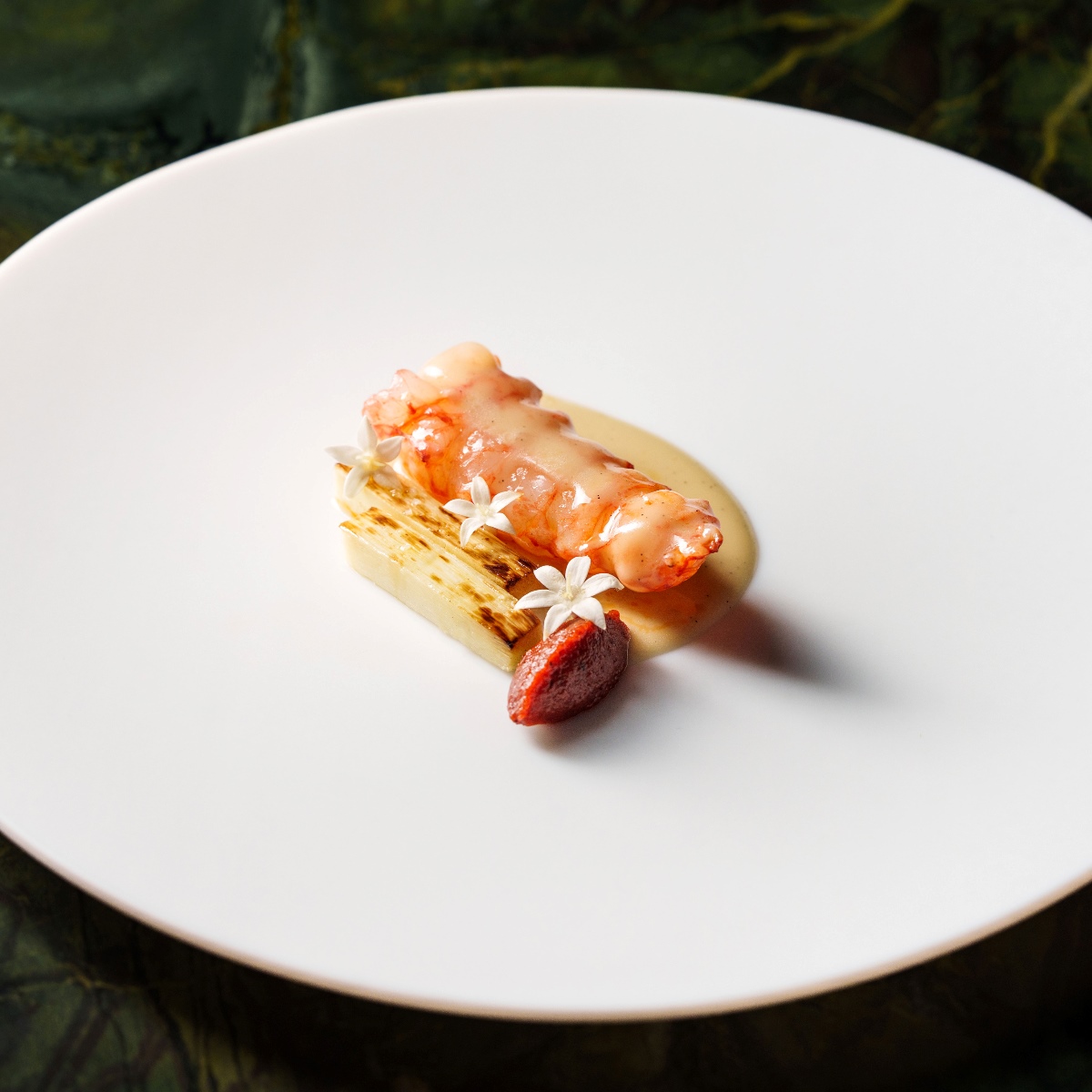
"It was truly captivating to see how São Paulo’s rich cultural tapestry finds its way onto the plate. Every dish served seemed to tell a story, weaving together the city’s essence and the multicultural influences that define this sprawling metropolis."To achieve this, ingredients and culinary traditions were skillfully intertwined, creating a cohesive narrative of the region. The porco caruncho, for example, is a native Brazilian breed of pork that evokes the state’s rural heartland, where pork is a staple. Then there’s tucupi, a tangy broth with Tupi-Guarani roots, a nod to the deep heritage of Indigenous cuisine. Beans, a cornerstone of Brazilian gastronomy, also reaffirmed their place at the table. Meanwhile, ingredients like wasabi, shiitake and miso paid homage to São Paulo’s Japanese community — the largest outside Japan — deeply embedded in the city’s cultural fabric.
"This culinary approach beckons us to take a closer look at São Paulo. That sentiment alone would be enough to leave an impression, but it’s the flavors of the approximately 10 courses from the seasonal Drought menu that have truly lingered in my memory. From a grouper with perfectly crisped skin to expertly aged beef, and desserts where seasonal fruits were the star, each dish showcased not only precision and balance but also bold creativity and a distinct identity."
A Few Highlights From the Tuju Experience
Sea Urchin, Green Curry and Sweet Peas
“The fourth course of the Drought menu was one of my favorites of the evening. Fresh sea urchin from Santa Catarina, with its vibrant color and almost creamy texture, arrived nestled in a lively, mildly spicy green curry, accompanied by tender young peas."The interplay of bold flavors — the briny intensity of the sea urchin, the aromatic depth of the curry and the gentle sweetness of the peas — was masterfully balanced. This dish impressed me by harmonizing such distinct elements into something cohesive, elegant and, for me, entirely novel.”
Eggplant Marinated in Mushroom Miso with Peanut Soup and Chile Oil
“The fifth course was an unexpected yet refined combination that was nothing short of extraordinary. The eggplant, prepared in a Japanese-inspired style, was glazed with a miso and shiitake sauce, accompanied by a delicate peanut soup and a subtle kick of chile oil. A thin, crisp slice of eggplant, artfully plated, added a touch of texture."What stood out most for me was the aroma of freshly roasted coffee beans, which enhanced the natural richness of the eggplant and introduced a stunning contrast of flavors.”
Pitu, Butter Beans and Marjoram
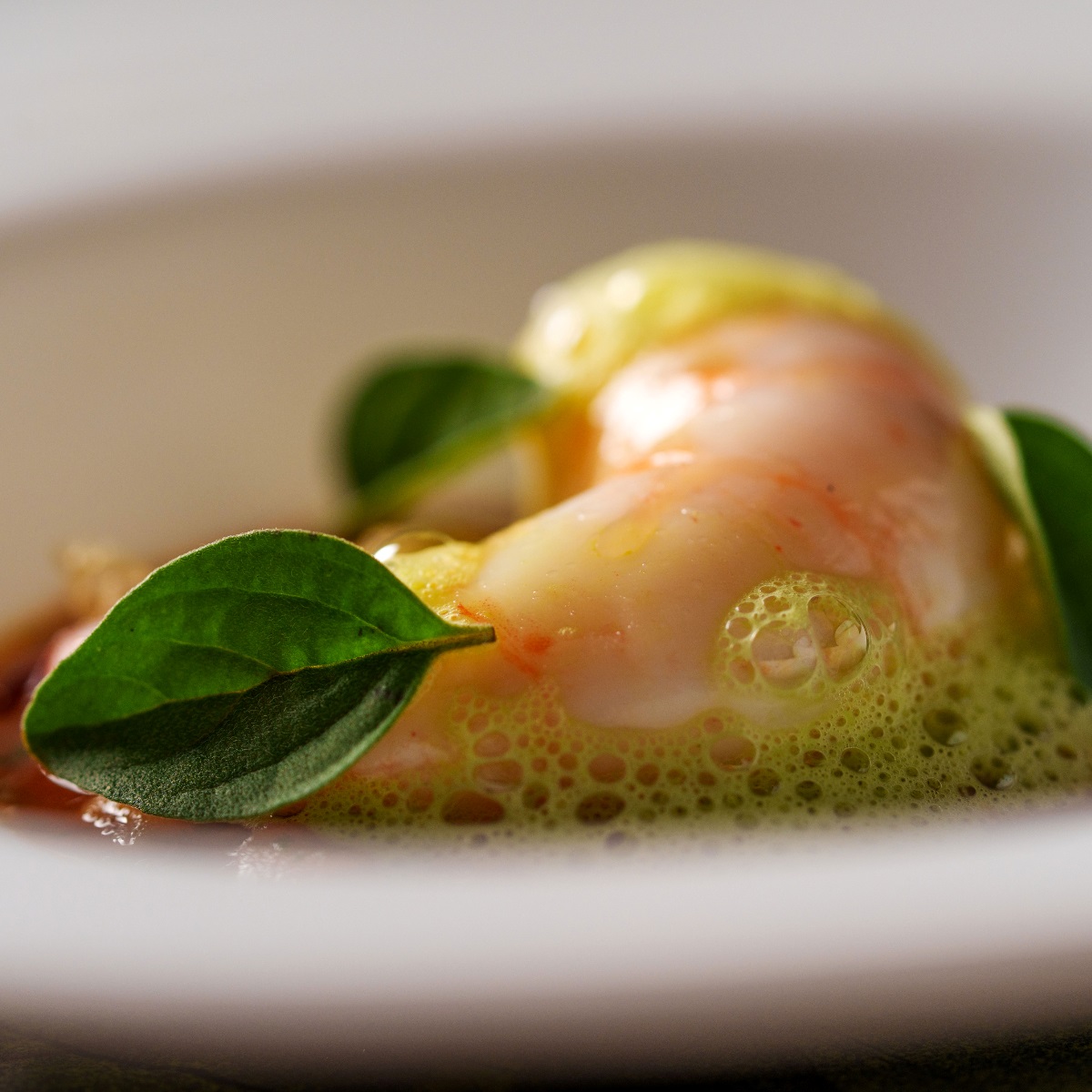
“At the sixth course of the tasting menu, the pitu — a freshwater Brazilian prawn — took center stage, served atop a creamy ragout of butter beans from Santarém. The dish was further elevated by crispy porco caruncho and the fresh, herbaceous notes of marjoram. A deeply flavored broth, extracted from the prawn heads, tied all the elements together seamlessly."As a delightful complement, the prawn’s head was stuffed with a concentrated blend of its own juices, herbs and garlic, practically begging to be enjoyed with the crusty bread provided. This robust land-and-sea creation was intense yet impeccably balanced.”
Grouper, Tucupi and Lactuca Leaves
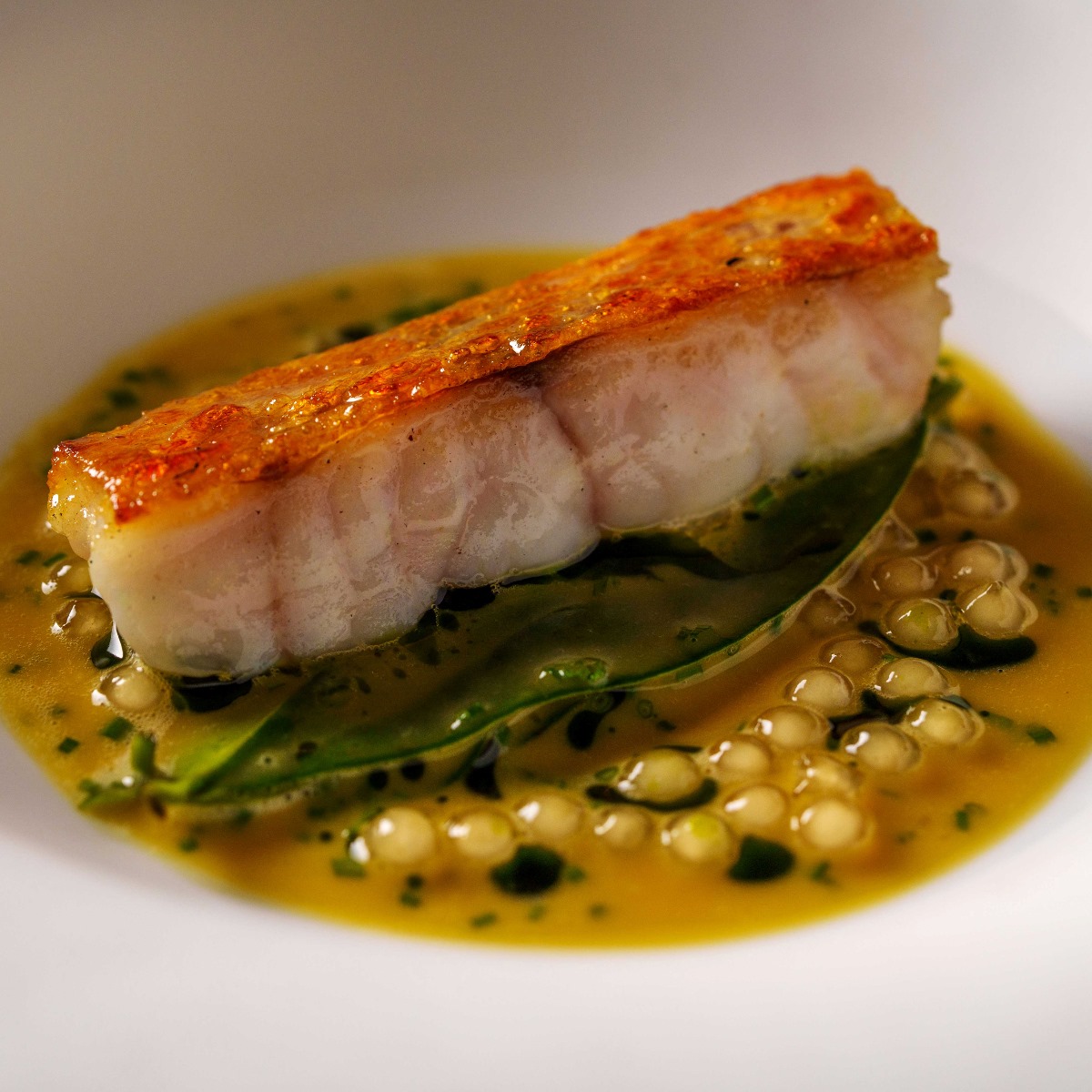
“In the penultimate hot course of the tasting menu, the fish of the day — a beautifully fresh grouper — was flawlessly cooked, its moist flesh paired with a delectably crispy skin."The accompanying flavors were equally impressive. The tucupi, a tangy yellow broth derived from cassava, offered a subtle bitterness that contrasted beautifully with the natural sweetness of the fish. This formed the base for an elegant beurre blanc, further enhanced by the textural interplay of garum-infused sago pearls and tender lactuca leaves.
"Each component worked in harmony, blending the traditions of the Amazon with the refined techniques of French gastronomy. The result was a dish that was both memorable and masterfully executed.”
The Final Act
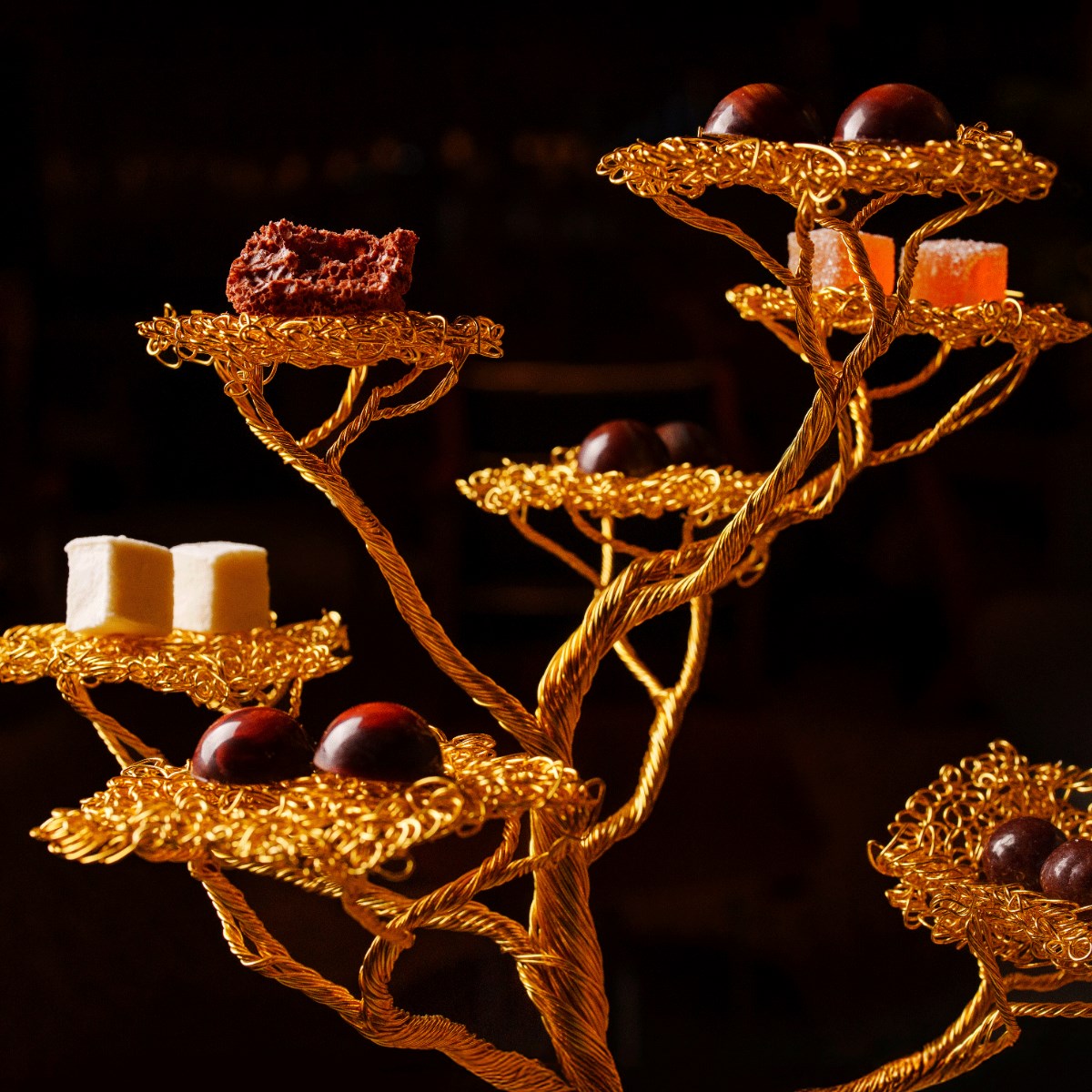
“All that remained was to ascend to the top floor for the grand finale. Here, a semi-open terrace revealed a more relaxed ambience, complete with a counter, cozy sofas and sweeping views of São Paulo’s skyline."After the structured progression of the earlier courses, the pace slowed here, inviting guests to savor the conclusion of their dining experience at their leisure. Alongside a selection of alcoholic beverages, the menu featured a curated array of teas and coffees, paired with a dessert cart showcasing house-made sweets and chocolates. Among the offerings were treats crafted with 70% cacao, presented with finesse — two pieces delicately displayed on the branches of a small, artisan-crafted golden wire tree.
"From the ambiance to the service, from the concept to the cuisine, every detail at Tuju contributed to a cohesive and immersive experience. Without a doubt, this is a destination deserving of its Three MICHELIN Stars.”
Related Articles:
- Two Restaurants in Brazil Awarded Three MICHELIN Stars for 2026 — Discover all the news from the MICHELIN Guide Rio de Janeiro & São Paulo 2026.
- MICHELIN Key Hotels: A Guide to the Global Selection — Use this guide to explore the best hotels on every continent, country by country.
- Every MICHELIN-Star Restaurant in São Paulo — With 17 MICHELIN-starred restaurants, São Paulo cements its status as one of the world’s premier gastronomic destinations.
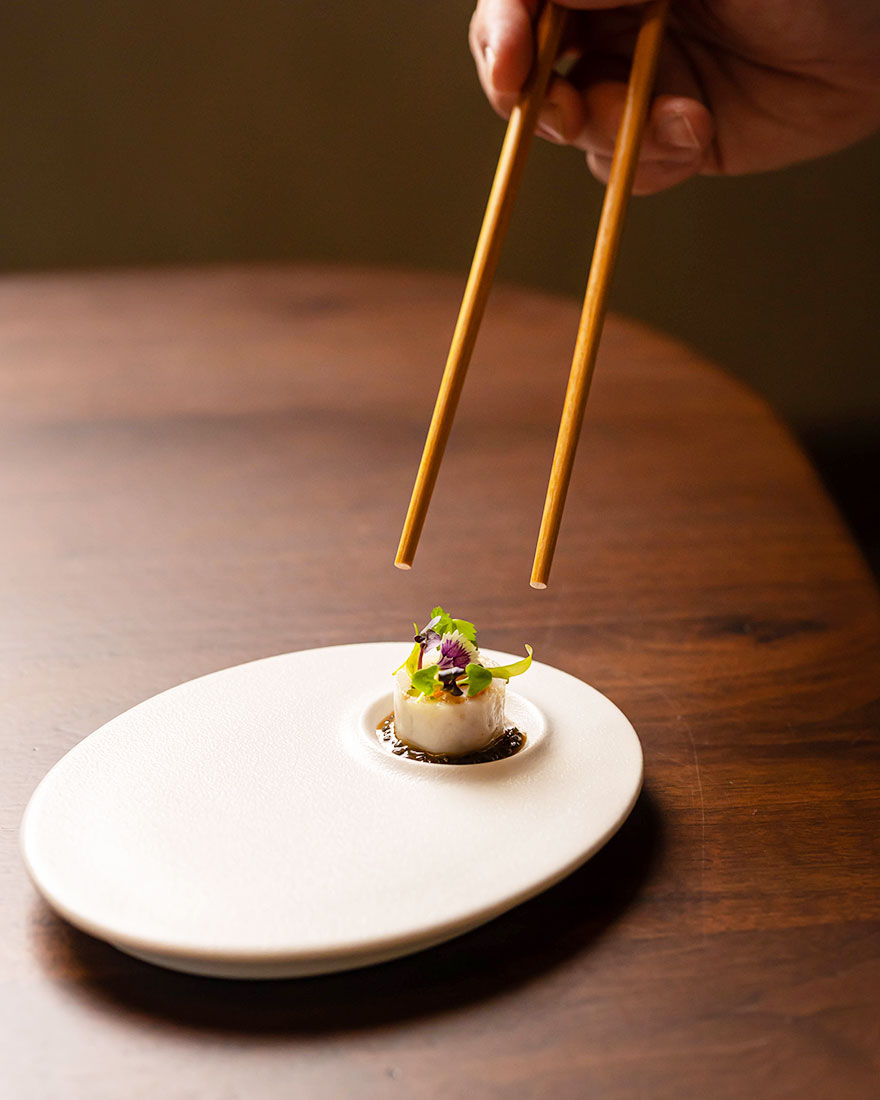
Hero Image: Sea Urchin, Green Curry and Sweet Peas: One of Tuju’s innovative dishes. © Rubens Kato/Tuju